PersingerGroup.com

Providing local news, info, and tips and tricks for homeowners and those interested in buying or selling real estate in North Idaho or Western Washington. 

Also, listen to the Real Estate, Money and Marriage Podcast at KatherineAndDarin.com

Jan. 4, 2023

How Long Do Barndominiums Last (100 years?)

I remember the day I was first curious about how long barndominiums last. I was talking to my friend at a party, and somehow the topic of barndominiums came up. They told me they decided to build one and I started asking her how long do barndominiums usually last.

This is a common question people ask when looking into barndominiums as a housing option.

When you find the right builder, use the right materials in construction, and keep up with the maintenance barndominiums can last more than 50 years, sometimes even up to 100 years, if appropriately managed. It will also depend on the location and climate.

In this article, we will explore for you how long barndominiums last, compare to the average home stick-built home and dig deep into what can make them last the longest. Keep reading.

How Long Does a Barndomiunium Last?

Certain factors can impact the lifespan of the barndominium. Once you learn what they are, you will better understand barndominiums in general.

Following Local Building Codes For Your Barndominium

Most cities have specific codes for building residential properties. It serves as a guide for how big your barndominium can be, as well as other concerns. The codes help ensure that new buildings and homes are suitable for habitation. Meeting these codes is important for the longevity of your barndominium. If you don't meet them, the city has the right to tear it down.

When meeting with your builder, make sure to ask about what codes will need to be followed and if they are familiar with them. They should be. If they're not, you might want to consider hiring a new builder.

Building codes vary from city to city, so it's important to make sure that you are familiar with the codes in the city where your barndominium will be located.

Do Not Overlook the Condition of the Land Before Building

Barndominiums usually sit on foundations. However, before you lay the foundation, you should prepare the ground. You will need to level the ground and ensure that the soil can support a foundation. If the ground is not even, then the earth will not be compact, which will affect the foundation.

You should also conduct a test on the soil and the terrain. We suggest that you may want experts to check the soil profile. This process will help protect the foundation. A weak foundation will most likely lead to a shorter lifespan for your barndominium.

Building A Barndominium on a Slope Can Cause Major Problems

If you are lucky enough to find a piece of land with a slope, you might be tempted to build your barndominium on it. You should avoid this tempation. A slope can cause major drainage problems. The slope can also cause the foundation to shift, which will lead to major cracks in the walls and ceilings.

Building A Barndominium in a Wet Climate Can Cause Major Damage

If you live in an area with high levels of humidity, your barndominium may not last as long. The moist air will cause the wood to rot and the metal to rust. In extreme cases, the metal may even start to corrode.

Find Out How High the Building Can Be

Some areas have restrictions concerning the height of homes. If there are building restrictions, you may need a lower roof pitch. Certain variables affect the height available for second floors.

The design or available clearance may be affected by the details of the work. If you would like to have a two-story barndominium, you need to be sure that you have enough room for the size of the frame.

Building in a Hot Climate Can Cause the Barndominium Roof to Fail

Just as barndominiums in wet climates don't last as long, those in hot climates don't either. The metal will expand and contract in the heat, which can cause the roof to fail. In addition, the asphalt shingles will deteriorate faster in the sun.

The best way to combat this problem is to install a roof with a reflective coating. This will help keep the roof cool and extend its lifespan.

There are a few pros and cons to building a barndominium in a hot climate.

On the plus side, a barndominium in a hot climate will be less expensive to cool than a traditional home.

Overall, building in a hot climate has some benefits and some drawbacks.

Building A Barndominium with the Right Materials

Using the right materials is another key to a long-lasting barndominium. Many builders use metal, as it is more durable than wood. Wood can rot and metal doesn't.

Make sure you research what kind of materials your builder plans on using. If you have any questions or concerns, don't be afraid to ask. The builder should be more than happy to answer any of your questions.

Add Enough Insulation to the Walls and Roof Of Your Barndominium

Most barndominiums are made with steel frames and metal walls, rendering them metal buildings. Metal buildings are adept at keeping the place warm during the summer, but the heat is compromised by wintertime. Your barndominium needs enough insulation.

Some of the ways that condensation can enter the building and threaten the structure include the following:

  • Selecting the wrong vapor retarder
  • Installing the vapor retarder incorrectly
  • Installing the insulation incorrectly
  • No structural air barrier
  • Variation in air pressure between inside and outside
  • Roof leaking

The proper insulation also protects against condensation. When warm air contacts the cool exterior or the metal wall, water vapors condense and cause various problems. When the appropriate insulation is used, there is no need to be concerned about wood rot.

Work With A Builder Experienced With Barndominiums

If you want to design your unique design and layout, we suggest working with an experienced builder to draw up the floor plans. Some of the details you need to consider when planning the layout include the following:

  • Heating
  • Cooling
  • Natural lighting
  • Structural support
  • Resale value
  • Your overall vision

We believe the best way to prevent making mistakes when planning a layout is to hire a professional designer to create the drawings. You can tell them what your vision is. The professional designer will also make sure that the building is structurally secure. Find a designer you can trust with your home.

Know the Actual Financial Cost Of Your Barndominium

You will need to know the overall cost of finishing the building. Some of the factors include the following:

  • Foundation
  • Roofing
  • Interior design
  • Exterior design

If you're running short on a budget, this can negatively affect the project and, thus, the quality of the construction. This setback will ultimately affect the lifespan of the building. We suggest getting your finances in order before embarking on such a tremendous venture.

Make Protecting the Interior a Priority

The only way to prevent moisture from forming in the building is to ventilate it. You can do that by installing enough windows, a fan, or an air conditioner. Condensation is destructive to metal buildings. The chance for repair or renovation may be significant.

Make protecting the interior a priority by taking preventive measures with your building to ensure a positive outcome. You should not have to be concerned about the cost of condensation damage, as you have put time and effort into creating the building.

Traditionally Built Homes Compared to Barndominiums

A traditional residence takes months to build, while a barndominium can be completed in a matter of weeks. This time means that making a barndominium costs less for labor and construction. Barndominiums made of metal are far more durable.

There is also a lot more flexibility and space in the barndominium. Houses can be made from a wide variety of materials. However, barndominiums tend to be the same all around, especially if it is a premade steel structure.

The upkeep on the barndominium is also less of a headache, as most houses require a coat of fresh paint on them every few years or so. The barndominium does not. There is almost no way that a conventional home would outlast a barndominium.

Truly Open Concept Living

Barnominiums also have more wide-open spaces than traditional homes. It all depends on the taste and vision of the barndominium owner. Barnominiums also have much lower utility costs, especially with power and heating.

The electricity of the barndominium could be up to 50 percent of the cost of electricity in the average home. This use also equates to less energy being wasted. Barndominiums are also your safest bet when it comes to earthquakes or other threats.

They are made from steel, which makes them much safer.

Conclusion

A barndominium may not be the conventional option, but it could be the one for your family. If you are looking for a distinct style of a safer and more energy-efficient home, try to create your very own barndominium.

Barndominiums can also last for up to 100 years if well kept. You will be able to pass down your barndominium to the following generations. We believe that is an investment worth considering!

FAQS About How Long Barndominiums Last

What is a barndominium?

A barndominium is a metal barn that has been converted into a home. They are becoming increasingly popular due to their low cost, durability, and flexibility.

How long do barndominiums last?

There is no one answer to this question, as the lifespan of a barndominium depends on a number of factors, including the materials used in its construction and the climate where it is located. However, many people believe that they can last up to 100 years with proper maintenance.

Do I need to hire a professional designer?

While you are not required to hire a professional designer, we believe that it is always best to consult with one who can help you realize your vision for your barndominium.

What are the benefits of a barndominium?

Barndominiums offer a variety of benefits, including low cost, durability, flexibility, and safety. They are also a more energy-efficient option than traditional homes.

Is there anything I need to do to maintain my barndominium?

Yes! It is important to perform regular maintenance on your barndominium in order to keep it in good condition. This includes cleaning the interior and exterior of the building on a regular basis.

Can I pass down my barndominium to future generations?

Yes! Barndominiums can last for up to 100 years, making them a valuable investment for your family.

Posted in barndominium
Jan. 4, 2023

Should I Buy a Home in the Winter? Pros & Cons Of Winter Home Buying

BONUS MATERIAL: BUYING A HOME IN 2023? 3 REASONS TO MOVE UP YOUR TIMELINE

You had been searching for a new home for months in the spring, but couldn't find "the one." But now winter has come around, bringing with it a renewed sense of possibility about finding the perfect home for you.

Sure, buying a home in the winter might be tricky since most people prefer to make such big decisions in warmer weather, but there are some advantages that come with winter house-hunting too.

If you ask most real estate agents about the best time to sell your house, you'll likely hear "in the spring and summer months.” In the Coeur d'Alene real estate market and Post Falls real estate market, we have almost twice as many transactions in the summer as it does in the winter. The volume of sales, or the number of sales that happen, is different at different times of the year.

Summer is not the ideal time to buy or sell a home

Many people believe that summer is the ideal time to buy or sell a house due to more homes up for sale during these warmer months. But it's not that simple. For example, a two-bedroom condo would likely experience an easier sale in wintertime compared to the difficulty of selling a waterfront home. It's not just the time of year, it's the market and the property that will define the challenges and the likely hood of a quick or easy sale.

This article will cover the pros and cons of buying a home in the winter, as well as provide practical tips on how to make sure you make the best decision when considering such an important purchase.

Overall, buying a home in the winter can present both pros and cons; however, if done carefully it could lead to great savings as well as finding exactly what you're looking for in terms of location, size and style.

Be sure to take your time when viewing homes during this season and consider all possible factors before making any decisions so you can make sure you're getting the best deal possible while protecting yourself from future losses or issues down the road.


BONUS MATERIAL: DOWNLOAD OUR 7 COSTLY MISTAKES HOME BUYERS MAKE Guide. (FREE. NO COST.)


The Pros of Buying A Home In The Winter

PRO #1: MARKET CONDITIONS ARE MORE IN THE BUYER'S FAVOR

Market conditions are more in the buyers favorThe winter real estate market can be an excellent time for buyers looking to take advantage of the potential bargains that are available. During this season, the competition among buyers is often much more relaxed than during the hotter months of summer.

For example, there may only be a few prospective buyers actively searching at any given time instead of many looking for the same property. This means that buyers may have more room to negotiate, which could potentially lead to a better deal.


PRO #2: LESS COMPETITION FOR PROPERTIES

The good news for buyers looking to purchase a home in the winter is that there is typically less competition for properties. During this season, fewer buyers are actively searching which means that there may be more opportunities to purchase a home without having to worry about bidding wars. This could potentially save buyers money as they may have more room to negotiate with sellers who may be looking for a quick sale. Prices during this season can also be lower since some sellers may be desperate to get rid of their property and need to cut back on prices in order to do so.

In addition, wintertime can often provide buyers with an opportunity to view properties more easily since there won't be as many other people competing for the same property. This could give potential buyers a better idea of what the property looks like and how much work would need to be done in order to make it livable. It also allows them time to think and research before making such a big decision, which is always important when buying a home.

Less competition for Properties

PRO #3: LOWER SALES PRICE

One of the biggest pros of buying a home in the winter is that it can often be much cheaper than during other parts of the year. With fewer buyers in the market, sellers will likely be more willing to accept lower offers than they would have during busier times. This could potentially lead to a great deal for buyers who can do their research and make smart offers.

Lower Sales PriceIn addition, some areas may experience lower prices for homes on the market due to seasonal changes.

For example, areas that experience heavy snowfall or colder temperatures in the winter months may experience drops in home prices as potential buyers are deterred by these conditions. This could present opportunities for savvy buyers looking to get a great deal and purchase a home at a much lower cost than during other times of the year.

Furthermore, some homeowners may also be eager to sell their homes quickly due to personal reasons such as job transfers or relocation, which could lead them to accept lower offers than they would have normally accepted during warmer months. This could be an excellent opportunity for buyers who can recognize these situations and take advantage of them while still getting a great deal on their home purchase.

Finally, wintertime is often considered an “off-season” for real estate transactions which means that there may not be as much competition from other buyers bidding up prices beyond what is reasonable or fair. This could help prospective buyers get exactly what they want without having to worry about overpaying for it due to competing bids from other parties interested in the same property.

PRO #4: CONTRACTORS/INSPECTORS ARE MORE AVAILABLE

Contractors and Inspectors are more AvailableAnother pro of buying a home in the winter is that contractors and inspectors are usually more available during this time since they often have fewer projects to work on. This could be beneficial for buyers who need to get inspections done quickly and want to ensure that the home they are considering is in good condition before they purchase it. This could also save buyers money since they may be able to secure lower prices from contractors who may not be as busy during the winter months.

In addition, some builders or developers may offer better rates on new homes during the winter months in order to attract customers and keep their businesses moving. Potential buyers should always research these deals in order to find out if there are any special offers available that could help them save money when purchasing a home. Furthermore, certain areas may also provide incentives for buying a home during this season such as tax breaks or other forms of financial assistance, so potential buyers should always look into these options before making a decision.

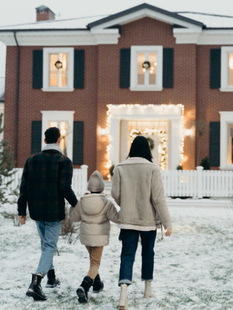
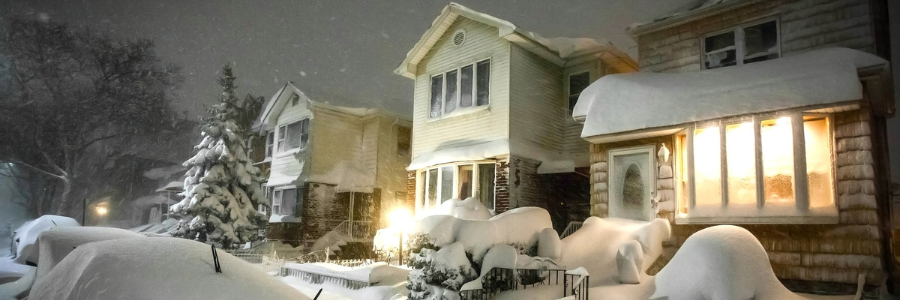
The winter season can also provide potential buyers with an opportunity to get a better idea of how a home functions in different weather conditions as well as how it is heated or cooled during this season. This could help them determine whether or not the property would meet their needs and if it would be suitable for living there year-round. In addition, properties typically appear more appealing during colder months since most landscapes will be covered with snow and foliage which can give a more inviting feel than what is usually seen during warmer months.

Home weather condition


The Cons of Buying A Home In The Winter

CON #1: LESS INVENTORY/NOT AS MANY HOMES TO CHOOSE FROM

Less Inventory of HomeOne potential downside of buying a home in the winter is that there may be fewer properties available for purchase due to sellers often preferring to wait until spring or summertime before putting their homes on the market. This could mean that buyers have less choices when it comes to finding the perfect property and could potentially find themselves having to compromise on certain features they were hoping for.

CON #2: LESS DAYLIGHT FOR SHOWINGS

A potential con of buying a home in the winter is that there may be less daylight available for showings.

This could make it difficult to view properties in detail or to get a better sense of the layout since some rooms may not have enough natural light to properly assess them.

For example, the sunset sets before 4:00 pm during many winter days in North Idaho. If you're not getting out of work until 5:00 pm and going to look at the house at 6:00 pm you're looking at a home in the dark. How good of a feel for the home will you get when looking at in the dark?

Furthermore, certain features such as outdoor spaces or gardens may not be visible under layers of snow which can also hinder one’s ability to properly assess the property. Additionally, cold temperatures and icy conditions could make it difficult to explore properties on foot or by car, so prospective buyers should always plan accordingly and make sure they are prepared for inclement weather before viewing any homes in person.

CON #3: INSPECTIONS CAN BE HARDER

One of the cons of buying a home in the winter is that it can be difficult to do all the necessary inspections on the property due to weather conditions.

For many inspections, such as those for structural integrity or electrical systems, it may be too cold outside for inspectors to safely and effectively investigate certain areas of a home. Furthermore, certain components such as pipes and wiring are more prone to failure during colder months due to changes in temperature which could mean that an inspection would likely miss signs of damage that may not be immediately obvious.

Inspection can be harderIn addition, some materials used in construction such as wood may also react differently when exposed to extreme temperatures and other seasonal weather conditions which could affect how reliable an inspection would be during this time. This means that any findings from an inspection done in the winter might not accurately reflect what is actually happening inside the home since temperature changes could cause problems to appear or disappear before they are able to be detected by inspectors.

Finally, it can also be hard to inspect outdoor areas of a home during the winter due to snow and ice covering potential issues with landscaping or other features. While these issues will typically become visible during warmer months when snow melts, buyers should always consider asking for pictures or videos from previous inspections conducted in summertime so they can get a better idea of what needs attention on the property before committing to purchase it.

CON #4: NOT FUN TO MOVE DURING THE WINTER

Another potential con of buying a home in the winter is that it can be more difficult and unpleasant to move during this time.

The cold weather can make it more difficult for movers to do their job as well as potentially causing issues with certain items such as electronics that may not function properly in lower temperatures. Furthermore, snow and ice can also make it harder to move furniture or other items into a new property, which could lead to additional costs if professional movers need to be hired.

CON #5: CHANGING SCHOOLS

School during Winter

A good chunk of real estate is impacted by the school year. Families look to buy and sell based on the schedule of the school year so as NOT to impact their children having to change schools in the middle of the school year. 

By buying in the winter you can potentially find a deal on a home but may also have to disrupt your child's education by changing schools during the school year.


CON #6: HARD TO GET A FEEL FOR THE ENTIRE PROPERTY

Hard to feel the entire propertyGetting a feel for an entire property during the winter months can prove to be difficult, especially in areas prone to icy temperatures and heavy snowfall. As mentioned before, some areas of a property may not have enough natural light to properly assess them.

In addition, certain features such as outdoor spaces or gardens may be covered in ice and snow which could make it difficult to get an accurate feel for the property.

In order to properly assess a home in the winter and make sure all necessary inspections are done, buyers should be prepared to ask their real estate agents or inspectors more questions about certain areas of the property that may not be as visible under layers of snow or ice.

You could ask to see if there are any pictures from spring or summer.


*Expert Tip - What we do at Persinger Group for our buyer clients is go back and look to see if there are old photos in the MLS from a previous listing.

Additionally, potential buyers should also plan ahead and consider scheduling viewings during daylight hours whenever possible so they can better understand what they are looking at when viewing properties. This will help ensure that no major issues go unnoticed due to lack of natural light or difficulty seeing certain features because of snow or ice. 

On the other hand, you could end up being surprised by the beautiful yard, landscaping, and blooming flowers, and trees.

House covered of snow

Problems of buying a winterized home

Sometimes homes have been winterized. Especially if they are vacant.

Buying a winterized home in the winter months can pose certain risks that buyers should be aware of. For starters, a winterized home typically means that all of the water has been turned off, either by the previous owners or managers of the property. This could potentially lead to issues such as frozen pipes or water damage if not properly addressed prior to purchase.

In addition, a winterized home may also have its heating system turned off which could lead to potential issues when it comes time to move in and turn on the heat. If not done properly, this could cause issues such as an inefficient HVAC system or even damage due to a faulty furnace.

It is important for buyers to understand these risks when considering buying a winterized home and take steps to make sure any potential problems are addressed prior to closing on the property. This often requires having professionals come in and inspect the property for any existing problems before committing to purchase it.

Moreover, if there are existing problems that need to be fixed after purchase, this can become costly and time-consuming as well as potentially putting occupants at risk due to things like carbon monoxide poisoning from an improperly functioning furnace or other heating appliance.

Buyers should always ask their real estate agents or inspectors about potential issues with a property before committing themselves so they can make sure they are making an informed decision when it comes time to buy.

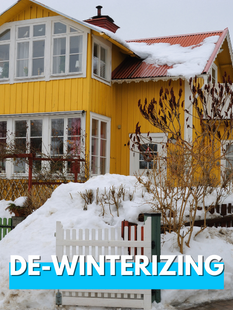
When possible, no matter how inconvenient, buyers should ask sellers to de-winterize the house.

De winterizingDe-winterizing a house is the process of undoing any winterization that has been done to it and ensuring that all systems are ready for use. This includes restoring normal water and heating services, along with checking all mechanical systems such as plumbing, electrical, HVAC, and appliance connections.

The main goal of de-winterizing a home is to make sure it is safe and operational prior to moving in or selling. Depending on the type of winterization that was done, this can involve turning the water back on, draining any existing standing water in pipes or fixtures, flushing out any remaining water, reattaching hoses to appliances and faucets, replacing air filters in units such as furnaces, fireplaces or air conditioners, testing for gas leakage from lines or appliances with a combustible gas indicator device and having each system inspected by qualified professionals. 

Another important aspect of de-winterizing a home is making sure all insulation levels are up to standards set by local building codes. This ensures that energy costs remain low and occupants are comfortable throughout the year. It also helps provide peace of mind since proper insulation can prevent issues like frozen pipes which could lead to costly repairs should they burst.

In addition to the previously mentioned tasks associated with de-winterizing a home, buyers should also be aware of potential pest problems that may have arisen during its winterized state due to lack of heat or other factors. Signs of pests include droppings or nests in cupboards or closets as well as visible damage caused by chewing or burrowing animals. If found, these must be addressed before moving into a newly purchased home in order to avoid potential health risks associated with certain types of animals such as rodents and insects.  

Get pre-approved for financing before beginning your search so you know what price range you should be looking at   

As always , it is important to get pre-approved for financing before beginning your search so you know what price range you should be looking at and what kind of loan may be available.  This will help narrow the search down since buyers can have an idea of how much they can afford and what types of homes are within their budget.

Even though you might have more time to shop for a home in the winter and feel less pressure on your timeline, being pre-approved is still essential.

Take extra time when viewing properties to make sure all areas have been thoroughly inspected

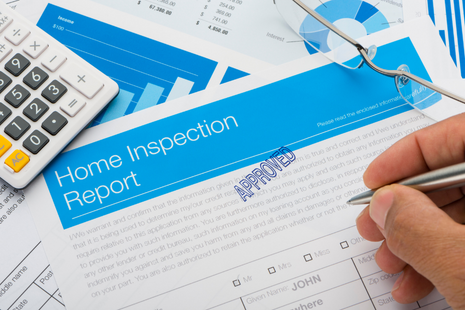
Home inspectionWhen viewing properties during the winter, it is important to take extra time and thoroughly inspect all areas of the home. This is especially true if there has been a lot of snow on the ground as it can be difficult to get an accurate view of what is actually happening up close.

It’s also important to remember that certain problems such as mold or water damage may not be visible until warmer temperatures arrive. So even though it might be cold outside, make sure you check for any signs of these issues before committing to purchase a home. 

Be prepared for winter weather conditions when going to view properties    

When going to view properties in the winter, it’s important to be prepared for cold weather conditions. This means wearing layers of clothing and having supplies such as flashlights, blankets or an emergency kit with you in case of an unexpected power outage.

Also, make sure your vehicle is well maintained and up to date on all its maintenance needs. This is especially true if you are driving in areas that are prone to snow and ice since roads can become dangerous quickly during a storm.

Be cautious of driveways that are unplowed and icy sidewalks.

FINAL THOUGHTS ON WINTER HOME BUYING

Buying a home during the winter can be an excellent opportunity for buyers to get great deals and save money. However, it is important to take extra precautions when viewing properties in cold weather conditions and make sure that all areas of the house have been inspected thoroughly. Additionally, it’s essential to be pre-approved for financing before beginning your search so you know what price range you should be looking at. If done correctly, buying a home in the winter months can prove beneficial as long as potential issues are taken into consideration beforehand.

FAQ

FAQ's On Buying A Home During The Winter

1. What are the benefits of buying a home in winter?

The primary benefit of buying a home in winter is the potential for getting a better deal as there may be fewer buyers competing for homes during this time. Additionally, sellers are often more motivated to make a sale and may be willing to negotiate on price.

2. Are there any additional considerations when buying in the winter?

When viewing properties during the winter, it is important to take extra time and thoroughly inspect all areas of the home due to snow making it difficult to get an accurate view. Also, certain issues such as mold or water damage may not be visible until warmer temperatures arrive so it’s important to look out for any signs of these problems before committing to purchase a home.  In addition, buyers should be prepared for cold weather conditions and make sure their vehicles are well maintained.

3. How can I get the best deal when buying a home in winter?

The best way to get the best deal when buying a home in winter is to be prepared and know what you are looking for.  Have your financing pre-approved so you know what price range you should be looking at and take extra time to thoroughly inspect all areas of the homes when viewing properties. Additionally, sellers are often more motivated to make a sale so be prepared to negotiate on price.  Finally, don’t be afraid to ask questions and do research on the area before committing to a purchase. 

4. What should I look out for when inspecting a property during winter?

When inspecting a property during the winter, it’s important to look out for any signs of mold or water damage that may not be visible until warmer temperatures arrive. Additionally, buyers should check for any structural issues such as cracks in the foundation or siding and also make sure all appliances are in working order. If a home is winterized, ask for it to be de-winterized before doing any inspections. By taking these precautions before committing to purchase, buyers can ensure they’re making the best decision possible when buying a home during this season.

5. Are there any potential risks associated with buying a home in the winter months?

The main risk associated with buying a home in the winter months is cold weather making it difficult to view properties. It can also be more challenging to inspect all areas of the home due to snow concealing certain issues. Additionally, there may be certain maintenance issues that are not visible until warm weather arrives so buyers should be prepared for this possibility and ask questions before committing to purchase.  Finally, if a home is winterized, make sure it’s de-winterized before carrying out any inspections as it could cause further damage in the long run.

After getting the home you might feel inconvenienced with having to move during the cold winter months, especially if that also means moving your kids from one school to another.


CONTACT US TO HELP YOUR HOME-BUYING SEARCH

If you’re considering buying a home in the winter months, make sure to do your research and take all necessary precautions before committing to purchase. Contact a Persinger Group real estate agent today for advice on how to get the best deal when looking for properties during this season. 

With the right knowledge and preparation, buyers can be sure they’re making an informed decision and getting the best deal possible when buying a home during the winter months.  Don't let cold weather stand in your way of finding your dream home! 


Start searching now and find out what opportunities are available during this season.


GET YOUR 7 COSTLY MISTAKES DOWNLOAD

Download The Bonus Material

7 Costly Mistakes Home Buyers Make

Plus get our best real estate and investing tips.

We won't send you spam. Unsubscribe at any time.


Posted in Buying
Dec. 31, 2022

How To Insulate a Barndominium

Barndominiums have started gaining popularity among homeowners throughout these last few years. These affordable, durable structures make for an excellent base upon which you can create some of the most beautiful living spaces. There are pros and cons to barndominiums, one of the cons can be the poor insulation. Given that barndominiums are usually metal, a material notoriously known for its poor insulating properties, those living in especially hot or cold climates might need to equip their structure with insulation themselves.

Here’s how to insulate a barndominium:

  1. Find the correct type of sheet foam.
  2. Gather your tools.
  3. Measure and cut the sheets.
  4. Secure the sheets.
  5. Seal the joints.
  6. Apply your paint of choice.

Keep in mind that this approach (using foam sheets to insulate your barndominium) is just one of the many alternatives you can opt for when providing your structure with the insulation it requires. Therefore, in this article, I won’t only take you through a step-by-step explanation of how to install the foam sheet set-up in your space, but I’ll also delve into some other approaches you can use to insulate your barndominium.

1. Find the Correct Type of Sheet Foam

When it comes to their insulating properties, not all types of sheet foam are created equal.

The ideal choice for your space can vary depending on your:

  • Needs
  • Aesthetic requirements
  • Budget

Generally speaking, there are two main types of insulating foam boards that you can use. Let’s take a look at these materials and discuss their benefits and drawbacks so that you can decide which one is best for you:

Polyurethane

Polyurethane is one of the most popular choices among homeowners since it makes durable, long-lasting, insulating materials. Polyurethane is flexible and excellent at maintaining a stable interior temperature, but it’s also naturally equipped with sound-proofing qualities.

No matter how extreme and varied the climate conditions are, this type of insulation always maintains a comfortable living temperature inside a space. Furthermore, the material is waterproof and able to withstand strong winds and rainfall just as well as it can withstand freezing temperatures.

Polyurethane comes in various forms and applications. However, foam sheets are one of the most affordable and efficient alternatives since they are so easy to cut and install on your own.

Polyisocyanurate

While similar to the previous alternative, polyisocyanurate is its own category of insulating material. Unlike its polyurethane counterpart, which, as mentioned, can be purchased in a wide range of states and forms, this insulator is only available as a closed-cell rigid foam board.

The material is popular for its durability and strength. However, if you’re looking for flexibility, polyurethane might be better.

Given that its cells are pretty closely-set, their bonds are virtually indestructible and block out extreme temperatures and ear-screeching noises. This quality allows polyisocyanurate to act as a moisture barrier that keeps rain, snow, and general humidity away from your precious furniture.

However, polyisocyanurate isn’t as fantastic at keeping out heavy rainfall. So, if you live in an area that’s very often affected by rains throughout the year, it might be a good idea to amp up the waterproofness of the material by coating it with a layer of oil-based solution.

Not only is polyisocyanurate an excellent, affordable insulator, but it has also performed remarkably well on fire tests. That’s another reason so many owners choose to create living spaces within their barndos, as the durable metal frame (as opposed to the traditional wood) combined with this highly fire-resistant insulator makes for unparalleled safety as far as real estate options go.

Even though having to insulate your home separately might not be a homeowner’s favorite pastime, you can’t deny it gives you a level of flexibility that traditional housing structures don’t.

You’ll be able to pick and choose the type and level of insulation that fits your needs and budget best.

For example, it’s up to you whether you choose to add the rigid boards only to one or two walls, all of them, or if you throw in some ceiling and roof insulation for good measure.

Owens Corning Insulation Foam

If you’re looking for a piece of practical advice when it comes to finding the correct type of sheet foam for your barndo, this section is for you. No matter the size and shape of your space, you can never go wrong with Owens Corning Insulation Foam (from Amazon).

The package comes with various different-sized pieces, perfect for you to fill out even the most difficult crevices. You will be able to cover larger areas like walls and floors quickly, and you’ll also be able to insulate around doors and windows seamlessly.

The foam is water-resistant, making it an excellent choice even for those living in high-humidity climates. This foam is guaranteed to maintain its strength and durability throughout its impressive lifespan, no matter the weather conditions.

However, don’t let this impressive strength trick you into thinking the foam will be challenging to cut and manipulate. You can easily shape the material to your heart’s desire by cutting with a razor and hot knife. Therefore, this option will still do the trick even if you want to insulate a uniquely-shaped barndominium.

Those with a specific aesthetic goal don’t have to worry about the material’s pink color, as its porous surface retains paint and drywall adhesives excellently.

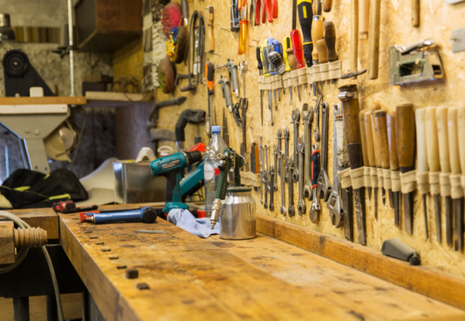
2. Gather Your Tools

Now that you’ve found the perfect type of sheet foam for your barndo, it’s time to gather your tools. I’ve chosen to expand on this particular insulating approach because it’s by far the easiest to accomplish yourself, with minimal time and effort.

Therefore, luckily, the tools you’ll need to gather before starting the project will likely already be inside the toolbox in your garage. Here’s what you’ll need to insulate a barndominium using foam sheets:

  • A large, clean work table: A table is where you’ll measure, cut, and shape the individual sheets, so it must be sizable enough and free of any dirt or debris.
  • Tape measure: As I mentioned, there’ll be much measuring taking place in that sizey, clean working table of yours. Therefore, getting your hands on the right tool to make measurements can be crucial. After all, you want to approach this project with the utmost care and precision if you're going to have any chance of succeeding at it.
  • Razor, hot knife, or another cutting tool: After you’ve measured your pieces, you’ll want to make sure you cut them with a sharp, effective tool that doesn’t leave any uneven edges. Investing in the best product you can get your hands on is advisable, as the cleaner the cut, the more professional your result will look (and feel).
  • Industrial-grade adhesive: Industrial-grade is the operative word here. You’ll want to invest in a compatible, premium-strength sealant that will be able to keep the foam sheets in place for decades on end. Again, this isn’t the time to budget, as this choice will make a significant difference in the longevity of your insulation. Make sure the glue you choose works well with the foamy material and doesn’t damage it.
  • Drill hammer: As you can imagine, you can’t only rely on a layer of adhesive when setting up an insulating system in your home, no matter how powerful it is. Therefore, you’ll want to invest (if you haven’t already) in a drill hammer that can help secure the foam sheets into the structure.
  • Concrete fasteners: These will allow you to seamlessly secure your sheets without worrying about rust and wear weighing them down over time.
  • Sealant (or tuck tape): As you’ll see in one of the following sections, no matter how well you cut and place your foam sheets, you’ll always need to fill in the joints using a high-quality sealant.
  • Spray foam: Although you’ve chosen to use the insulating material in solid sheet form, you’ll still need some malleable materials to insulate those hard-to-reach spaces. You can never cut even the most customizable foam sheets in the market (like the Owens ones mentioned above) with such precision to reach any dent or crevice. In these instances, spray foam comes in handy.

After gathering your materials, it’s best to preemptively go through the following sections and make a rough plan for your project. You won’t need to follow every step to a T, but understanding what the process entails beforehand will help you go into the project more confidently.

Additionally, it’ll help if you carry out some rough measurements at this point. I’ll get down to details in the following steps. However, for now, it can help to have some rough estimations regarding the size and number of foam sheets you’ll need.

3. Measure and Cut the Sheets

It’s time to put that worktable of yours to good use. Before attempting the adhesion process, you’ll want to have all your foam sheets measured out, cut, and ready to install. You don’t want to go back and forth between cutting and securing the sheets, as this would make for a far less efficient (not to mention sloppier) project.

Therefore, you’ll first want to calculate the number of sheets to insulate the entire area of choice. Regardless of whether you’re looking to insulate a wall or your barndominium’s whole interior, you’ll want to measure out the total square footage and divide it by the square footage of each foam sheet.

For example, say you want to cover an area of 1000 square feet (93 square meters). If you were using Owens 15’’ by 12’’ (38 by 30.5-centimeter) foam sheets, you’d first want to calculate each sheet’s square footage. Through multiplying 12 and 15, you’d get an area of 180 square inches or 1.25 square feet (0.12 square meters).

Now, all you have to do is divide the 1000 square feet you want to insulate with the area of each foam sheet (1.25 square feet or 0.12 square meters), and you’ll get the number of sheets you’ll need to complete the project (in this case 800).

However, if you want to cover some uniquely-shaped areas, this might call for more extensive measurements and calculations.

After you’ve mapped out your project and calculated your requirements, it’s time to get each sheet into your table (at least the ones that need to be re-shaped or re-sized), mark them, and cut them along the markings using the sharp cutting tool of your choice.

Repeat the process until all pieces of sheet foam are ready for installation.

4. Secure the sheets

As you may have already gathered by the tools I've listed in the previous section, securing the sheets will not be a one-and-done deal. First of all, there’s a wide range of approaches you can choose from when installing your foam sheets, and the method you opt for will depend on your skills, budget, time, and requirements.

However, generally, you’d want to go for a solid mix of several securing approaches to ensure that your insulating material will stay in place for decades. The last thing you want is a loose piece of foam falling from the ceiling when you least expect it.

I’ve already mentioned adhesive, fasteners, and drills as crucial tools in the installment process. However, don’t hesitate to experiment with this step and get your hands on any additional materials and tools that you think would better help the foam sheets stay in place.

For example, some may even use staples and tape throughout this process, so don’t be afraid to get creative.

However, if you’re one of those people who feel more comfortable using a practical, step-by-step approach, here’s what you’ll need to do to secure the sheets in place:

  1. Apply adhesive to each foam sheet by following the manufacturer’s instructions and secure the material into place. Generally speaking, no matter which other methods you choose to include to attach the sheets, using adhesive first is a must. No other approach will be able to secure such a large surface area of the material, which can prove to be crucial after a few years of use.
  2. Press against the foam sheet for 30-60 seconds. First, apply the adhesive in straight, parallel lines on the back of the insulating material and place it on top of the surface. Then, press firmly on its surface for 30-60 seconds until the adhesive has dried out enough to hold the material in place.
  3. Leave the adhesive enough time to dry. Depending on the brand you choose, this timeframe may vary. However, always ensure to leave the adhesive enough time to harden and dry before moving on to any other approaches.
  4. Secure the sheets using any other approaches. By this point, the sheets should be sturdily set in place. However, it’s crucial to ensure they’re as secure and immovable as possible. For this reason, you’ll want to aid the adhesive by using staples, concrete fasteners, or even tape (which is an excellent way to ensure your insulation resists different-temperature airflow).
  5. Repeat the process until the whole area you’re looking to insulate is covered. This step is pretty self-explanatory. After getting the hang of the procedure, the time and effort you’ll have to put into it will depend on the size and complexity of your particular project. However, regardless of the circumstances, by following the previously mentioned steps, you’ll always be able to carry the process out with the utmost efficiency.

5. Seal the Joints

Now that your sheets are in place, it’s time to insulate the joints (the empty areas between two adjacent sheets). No matter how closely and carefully you place each piece of material, there will always be some space left from which heat or moisture could escape. For this reason, you’ll want to seal these spacing using either tuck tape or any other type of sealant you can get your hands on.

Afterward, you can use some spray foam to fill in any remaining gaps or insulate any hard-to-reach spaces.

6. Apply Your Paint of Choice

Your barndominium insulation is almost complete. All that’s left now is to do now is to alter its design in whichever way fits your aesthetic best. Luckily, as I mentioned, the foam sheets’ porous surface makes for an excellent base on which any paint will show up great.

You can use any type of paint you can get your hands on during this process, either water-based or acrylic. However, try to steer away from oil-based options, as they often contain chemicals that may damage the insulating material.

After painting your space’s interior and letting it dry, you’ll have fully insulated your barndominium. As you saw, the whole process is as quick and straightforward as it gets, and it can take anywhere from a few hours to a few days depending on the size of your barndominium.

Alternative Ways To Insulate a Barndominium

As I briefly mentioned, I chose to dive into the sheet foam approach in this article because it’s the easiest and most practical way to insulate a barndominium yourself. However, if this method doesn’t bode well with your requirements or budget, there are many other excellent alternatives to choose from.

Rigid Board

Rigid board insulation involves several stiff boards, usually made out of fiberglass. You can mount them on your barndominium’s walls, floor, ceiling, or roof to insulate your space. This approach is usually the most popular among homeowners, as it’s the most efficient and longest-lasting of the bunch.

However, rigid boards can be tricky to install by yourself, especially if you don’t have any previous experience in these projects. Therefore, you’ll most likely need to hire a professional if you choose to go this route.

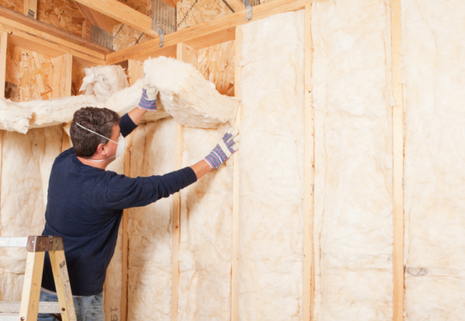
Blanket Insulation

Blanket insulation (or, as you’ll often find it referred to, Blatt insulation) is the most traditional approach to insulating a barndominium. Furthermore, it’s also the most affordable, making it an ideal choice for homeowners on a budget.

The material comes shaped into rolls, which you can then unfold, measure, and cut into shapes before mounting, just like you would with your foam sheets. Because it is soft and blanket-like, it’s easy to cut and pack into your walls tightly. So, if you accidentally make a piece too big, you can still use it on your walls.

It is highly customizable, and you’ll likely be able to install it yourself following similar steps to the ones described in this article, cutting down on the method’s costs even further.

Loose-Fill Insulation

Loose-fill insulation uses loose fibers, pellets, or even shredded and recycled paper that you can blow between your walls’ cavities. Loose-fill is one of the most popular choices for homeowners who want to insulate an existing barndominium.

It’s one of the costliest alternatives on this list, but the insulation it provides is unparalleled. This approach ensures that every last nook or cranny from which air (or sound) may escape gets fully covered and insulated.

Spray Foam

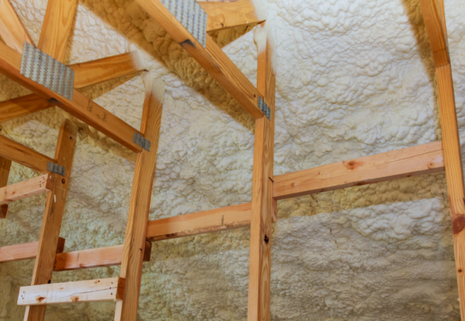
Lastly, you can insulate your barndominium using spray foam. You’re already familiar with the material, as I’ve already advised you to use it to complement your sheet foam approach. However, did you know that you can insulate the whole interior of your building using this method?

Spray foam is one of the most popular insulation techniques among homeowners. The material is sturdy, malleable, and highly effective. However, you will need to hire a professional to get the job done, as attempting to do it yourself would do more harm than good.

Considerations To Keep in Mind When Insulating a Barndominium

Regardless of the approach, there are some considerations you’ll want to keep in mind before insulating a barndominium.

  • It’s essential to research and know your local laws and regulations regarding building requirements. You’d be surprised how many materials local governments ban. Therefore, taking the time to check beforehand can save you from stress and headaches.
  • Regardless of the material you choose, you should always consider its R-value, a number that describes how efficiently a medium insulates and prevents heat transfer between two environments. You can learn more regarding the concept here.

Final Thoughts

Insulating a barndominium doesn’t have to be as challenging or time-consuming as it may sound. Depending on your skill level, preferences, and budget, you can choose between five equally efficient approaches to turn any cold, metal structure into an inviting living space.

Even though many people think about a barndominium as a housing alternative and a way to save money by building a barndominium, insulating a barndominium is not a place you want to cut costs or short cut.

And keep in mind that if you want your barndominum to last 100 years use the right materials in construction, and keep up with the maintenance.


Posted in new constuction
Dec. 30, 2022

Can You Build A Barndominium For $100,000?

View More
Posted in new constuction
Dec. 5, 2022

What Are Barndominiums Made Of

What Are Barndominiums Made Of

Remember when you were a kid and didn't close the door to the house behind you? Did your mother ever yell at you, "What's wrong with you? Where you raised in a barn?"

Well now, there's going to be a generation of kids being raised in barndominiums that are going to get to say YES to that question.

Barndominiums are made with metal, steel, wood, or a mixture of all three. They can be used as residences, but they can also be used for businesses or studios. They can be custom-built or made from recycled barns.

In this article, we'll cover what Barndominiums are made of, the exterior, interior and different ways to build one.

What is the exterior of Barndominiums made of

When building a barndominium, it is important to choose a material that will withstand the weathering and wear and tear that comes with everyday use. Metal and wood are both popular choices because they are strong and durable.

Metal is one of the most common materials that are used to make the exterior of a barndominium. It is strong, durable, and can withstand weathering. It is also a relatively cheap material, which makes it a popular choice for those who are looking to build a barndominium on a budget. Metal can also be painted or stained to match the style of the home.

Wood is another popular material that is used to build a barndominium. It is strong and durable, and can also be painted or stained to match the style of the home. Wood is a bit more expensive than metal, but it can add a touch of elegance to the structure.

Stone and brick are two popular materials that can be used to add character to the exterior of a barndominium in order to give it a more distinct look. They are both expensive, but they can add a touch of luxury to the structure.

Which material you choose will depend on your personal preference and budget. All of these materials have their pros and cons, so it is important to weigh all of your options before making a final decision.

What are interiors of Barndominiums made of

The interiors of a barndominium aren't going to be any different than a typical stick-built home.

Wood 2x4's or 2x6's will be used to frame the interior walls. And then drywalled like any home.

There are a variety of flooring options that can be used in a barndominium. Some of the most popular options include tile, wood, carpet, linoleum or even concrete.

Tile is a popular choice because it is durable and easy to clean. It is also a relatively inexpensive option. Wood is a popular choice for those who are looking for a more luxurious feel. Carpet is a popular choice for those who want to create a cozy and comfortable environment, and linoleum is a popular choice because it is durable and easy to clean. Concrete floors are gaining favor because of their toughness and attractiveness. They can easily be customized with look, feel and finish. And they're easy to clean.

All of these options have their pros and cons, so it is important to choose the option that best suits your needs.

Building a Barndominium from scratch or a recycled barn

There are two main ways to build a barndominium: from scratch or from a recycled barn. Building a barndominium from scratch can be a daunting task, but it can also be a lot of fun. You have the freedom to choose the style and design that you want, and you can customize it to fit your needs.

Building from a recycled barn is a bit easier than building from scratch because you already have a frame to work with. However, you will need to do some remodeling in order to make it fit your needs.

Building a barndominium from scratch

When it comes to building a barndominium from scratch you could go custom or with a kit. A custom barndominium gives you the most freedom when it comes to style and design, but it will also be the most expensive. If you choose a kit, you will have to follow the manufacturer’s guidelines, but you will still have some flexibility when it comes to the final product.

Building custom

Building custom allows you to choose the style and design that you want, and you can customize it to fit your needs. You have the freedom to choose the materials that you want, and you can even choose the contractor that you want to work with. However, it will be the most expensive option.

Building from a kit

Barndominium kits are like a lego construction. Kits are an excellent option for you if you want to build quickly, already have tools at your disposal, and aren't too worried about customizations. You have fewer options when it comes to style and design, but because all of the materials are already pre-selected for you.

Depending on the kit you might have everything you need, including windows and doors, or it might only be the frame.

There are a few different places where you can find barndominium kits. One option is to go online and search for a retailer that specializes in barndominiums. You can also check with your local hardware store or home improvement center. Some of these stores may even have their own kits that you can purchase.

A can be a good option for DIYers and those who are looking for a quick and easy way to build a barndominium.

DIY With A Kit Story

I know a few people who have got the kit route and have taken their time with their build. They start with the shell and park their RV or camper in there while they do the build-out of the interior.

If you have an RV or camper this is a great option for you.

Recycling an old barn

Barndominiums can also be made from recycled barns. This is a great option for those who are looking for a quick and easy way to build a barndominium. All you need to do is find an old barn that is in good condition, and then remodel it to fit your needs.

There are a few things to keep in mind when recycling an old barn:

  • You will need to do some remodeling in order to make it fit your needs.
  • The style and design of the barn may not match your preferences.
  • The materials that are used in the barn may not be as durable as the materials that are used in a new barndominium.

  • The barn may not be as energy-efficient as a new barndominium.

Conclusion

When it comes to building materials, the biggest difference is the outside structure. The interior walls are going to look and feel very similar to any stick-built home in any subdivision.

No matter how you choose to build your barndominium, it is important to keep in mind that there are a variety of options when it comes to style, design and materials. You should choose the option that best suits your needs. Keep in mind that building from scratch can be a daunting task, but it can also be a lot of fun. If you decide to recycle an old barn, make sure to remodel it to fit your needs. No matter which route you take, make sure to consult with a professional before starting construction.

FAQS About Barndominium Building Material

What are barndominiums made of?

Barndominiums are made with metal, steel, wood or a mixture of all three. Many people opt to add stone or brick to their property's exterior in order to offer it a distinctive appearance.

What type of foundation is used for barndominium?

In general, barndominiums are built on slab foundations. But barndominiums can be built on foundation type.

  • Crawl space
  • Full basement
  • Partial basement
  • Walkout basement

What material should you use if you want to live in a barndominium year-round?

Since barndominiums are made out of metal, wood or a combination of the two, they tend to be a bit colder than a traditional home. If you live in a cold climate, you will want to make sure that your barndominium is properly insulated. You can do this by adding extra insulation to the walls, roof and floor. A good heating system is also important.

Living in a barndominium in hot weather can be a bit of a challenge. The metal and wood construction materials tend to be a conductor of heat, which means that the interior of the structure can get quite warm during the summer months. You can combat this by installing an air conditioning unit and making sure that the windows and doors are properly sealed. You may also want to consider painting the exterior of your barndominium with a light-colored paint to reflect the sun's heat.


Posted in Home Buying
Nov. 11, 2022

How To Finance a Barndominium (Getting a Mortgage)

A barndominium (or "barndo") is an excellent choice for a living space. It looks beautiful inside and out and is easier on the bank account than most residential buildings. Still, it'll take more than a handful of spare change to purchase a barndominium, which is why figuring out the right way to finance it might take some thorough planning on your part.

Here's how to finance a barndominium:

  1. Research your local laws on barndominiums.
  2. Draft a comprehensive building plan for your barndominium.
  3. Find contractors or subcontractors specializing in barndominiums.
  4. Get a property appraisal for your barndominium.
  5. Consider a construction loan instead of a mortgage.
  6. Assess (and boost) your creditworthiness.
  7. Pick the best lender available.
  8. Prepare for potential setbacks when obtaining a loan.

In this article, I’ll discuss every step you want to take before obtaining a barndominium loan to boost your chances of lenders approving your application. I'll also cover how to choose the best lender for you and touch on the problems you may encounter when trying to get financing for a barndominium.

1. Research Your Local Laws on barndominiums

Before drafting your barndominium's building plan, check your local laws first. Otherwise, you'll end up wasting too much money on your dream home, only to realize you have to remove or rebuild significant portions because they don't meet legal requirements. Some of the regulations you should know include zoning and building codes.

Zoning

Zoning laws dictate how the government wants to use a piece of land. For example, if you're going to build a barndominium in a specific area, you should check whether the zoning laws allow the construction of residential properties within that space.

Aside from the type of properties you can construct, zoning laws may also define the extent to which those properties can cover or use an area. They can specify the size of a specific building, what existing utilities they can use (if any), and whether you can keep pets, among many other regulations.

When researching zoning laws, make sure they apply to the land where you intend to build your barndominium. The land regulations used in one part of town may not apply to a different area. Consult your local government or an attorney who specializes in local zoning regulations if in doubt.

Building Codes

Keep in mind that zoning regulations differ from building codes. Zoning laws mainly cover the area and amenities surrounding a property. Meanwhile, building codes outline how you should construct your barndominium, what goes into it, and whether it complies with public health and safety regulations.

If you're using an old barn as the base for your barndominium, make sure the old building complies with existing codes. For example, the previous owners may have used paint that violated the Environmental Protection Agency's (EPA) hazard standards and clearance levels for lead. In that case, you'll have to factor a new paint job into your barndominium building plan.

To show compliance with local building codes, you need to obtain a permit before building your barndominium. Building permits can cost $150 to $7,500 depending on where you live, according to Home Advisor. Be sure to account for the cost of permits when calculating how much you'll spend on a barndominium, lest you run into unwanted and expensive legal problems.

2. Draft a Comprehensive Building Plan for Your Barndominium

Now that you know what you can legally do with your barndominium, you can draft a building plan that complies with government regulations, matches your vision of your dream home, and makes your project more appealing to potential lenders. Some things to consider when you plan and price a barndominium include the following:

Land Value

If you're building a barndominium on farmland, you may have to shell out around $3,160 per acre, according to the USDA's 2020 land values summary. The value may be higher or lower depending on the barndominium's location. For instance, a barndominium in a metropolitan area will cost more than its rural counterpart.

Cost of Barndominium Kits

Whether you're constructing your barndominium from scratch or not, a barndominium kit can save you plenty of time and effort. These kits can cost between $10 and $50 per square foot per Home Advisor's 2021 data on metal house kit prices. The least expensive ones cover 1,000 square feet, amounting to a minimum cost of $10,000 per kit.

However, "you get what you pay for" also applies to barndominium kits. For example, the most basic plan may only cover the frames. In that case, you're better off building on an existing structure since you'll have a bit more than just frames to work within this scenario.

Barndominium Foundation

If you're using an old barn as a foundation for your barndominium, you'll have to make it more livable for human inhabitants. For example, you may need to put an additional layer of concrete over the floors where animal waste has been accumulated over the years. You may also want to look into anything else that may compromise the structural integrity of the barndominium, like cracks in the supporting beams.

Insulation of Your Barndominium

Barndominiums typically have metal structures. If you've ever touched a burning stove, you know metals are great conductors of heat. On the other hand, metals are also poor insulators, meaning they don't offer much protection against cold weather.

Therefore, barndominiums require additional insulation to make them more livable. One decent insulation material for a barndominium is spray foam. You can use it to fill wall crevices, reducing the accumulation of moisture and protecting the building's metal structures from corrosion.

Utilities

When constructing a barndominium, you need to account for essentials like plumbing, HVAC, and electrical systems. Assuming you did your homework regarding your area's zoning laws, connecting utilities to your barndominium shouldn't be too difficult.

If there's one thing you shouldn't DIY, it's utilities. You need help from licensed professionals to ensure your barndominium receives an ample supply of water and electricity. The fact that third parties will be billing you for these services, makes professional assistance even more essential.

Other Amenities

Depending on local zoning regulations and building codes, you may be able to install additional structures like extra rooms, swimming pools, patios, etc. As long as you properly plan beforehand, the sky’s the limit. These will bump up your costs, of course, but if they make your barndominium feel more like home, why hold back?

Personal Touch

Your barndominium shouldn’t feel like a bunch of cold metal frames and structures. It's your barndominium, meaning you have the freedom to design and personalize it as much as you want. You can furnish your interiors with quirky wall paintings, warm rugs, plants, and other items that define your house's "personality." Again, these should factor into your calculations regarding the cost of your barndominium.

Online Building Plan Generators

If you only have a vague idea of what your dream barndominium will be, or you need a little more help visualizing what the final result will look like, you can always use a home design software.

A great example is Live Home 3D. You don't need an architecture degree to use it. With a few clicks or swipes of your device, you can create floor plans and 3D renderings in a matter of minutes. Additionally, unlike most free online home design software, they have a US office, so you can contact them for technical support if necessary.

3. Find Contractors or Subcontractors Specializing in barndominiums

At this point, you should have a detailed plan for building your barndominium. Even if you plan to DIY your way through your project, it won't hurt to seek professional advice. After all, this is probably the first time you've worked on a barndominium, whereas contractors and subcontractors have been doing it for years.

Additionally, you have to account for the labor cost when building a barndominium. According to one source, contractor costs can set you back by $30,000 to $60,000. That's why it's crucial to pick the most suitable barndominium construction company for you, as follows:

  • Look up the barndominium directory for your area. Search for "best barndominium builders" + (insert your location here) online, and give the results a quick scan. Visit the websites of the companies that seem legitimate or decent.
  • Look up reviews for prospective contractors. Look up the name of the contractor plus reviews. You can also check out forums where people are likely to give honest feedback on contractors they've used in the past.
  • Check the contractor's portfolio. barndominium contractors should have listings and photos of their projects. Check out their portfolios, and see if they have anything that matches or looks anything like your dream home.
  • Contact three to five contractors. Note three to five companies that seem promising, and contact them via phone or email. Give them a quick overview of your plan, ask them for quotes and whether they can handle the project.
  • Interview prospective contractors. Don't just choose your contractor based on the cheapest option. If they give you a final price, ask them what went into their calculations. Inquire about more cost-effective options and the pros and cons of each. Remember to get approximate timelines, materials needed, and the like.

Once a solid contractor or subcontractor has your back, it should be easier to find a willing lender. Most lenders may feel apprehensive about borrowers who take a 100% DIY approach on their building projects since the risk that something will go wrong is higher.

On the other hand, a borrower backed by a reputable construction company can boost their chances of getting the money needed to see their project through.

4. Get a Property Appraisal for Your barndominium

You have your detailed building plans, your contractor or subcontractor, you know what you need and how long the project will take. Now that you have all of the above, you can get a professional to appraise your barndominium's value.

Note that the market value of your barndominium may not necessarily equal the cost of your project. That's because a barndominium's market value also accounts for factors beyond your control, such as the prices of surrounding properties, interest rates, and the current employment rate.

Additionally, lenders are more interested in your barndominium's market value than the cost of building it. If you're asking them for a mortgage to finance your project, your barndominium will likely serve as collateral in exchange. In other words, if you're unable to pay off your loan as agreed, the lenders can seize your barndominium to compensate for the remainder of your debt.

There are two ways you can get a property appraisal. You can hire an independent professional yourself, or your lender may do it for you to avoid "bias." Either way, if you want to make the most of an appraisal for your barndominium, here's what you can do.

  • Account for everything that can bump up your barndominium's value. Anything that shows you've done your best to keep the barndominium in great shape — like upgrades and renovations — should have supporting documentation for the appraiser's review.
  • Research prices for similar nearby properties. If you have neighbors who also own barndominiums, look up the value of their homes on sites like Zillow. You can also use Zillow to buy, sell, or rent houses if you ever need to do that. If you're the only barndominium in your area, that's fine: the average property prices in your area will do too.
  • Prepare to challenge the appraiser's assessment, if necessary. Appraisers are human too. They may know how to assess property values based on specific methods, but since they're not as knowledgeable about your property as you are, they may have overlooked something. If you think the appraiser's valuation is off in any way, don't hesitate to raise a dispute.

Once you have an appraisal value you're satisfied with, make a record of that and its supporting documentation and keep it in a safe place. Don't forget to do the same with your original building plan and related paperwork. Armed with this information, you're now ready to find a lender.

5. Consider a Construction Loan Instead of a Mortgage

You may be wondering why I didn't directly address money matters until halfway through this article. That's because lenders want to see two things: (1) You know what you're doing when planning your barndominium, and (2) You have the financial capacity or willingness to pay them back in full and on time. I've already thoroughly addressed Point # 1, so let's get to Point # 2

Many would-be barndominium owners take out construction loans to finance their projects. As their name implies, these loans ease the financial burden that you'd otherwise take for costly construction work. Construction loans usually have the following characteristics.

  • Issuance of certificate of occupancy. You need to provide proof that, once construction ends, you will reside in the barndominium permanently.
  • One-year duration. A construction loan is a good idea when you expect to finish your barndominium within a year or so.
  • High interest rates relative to traditional mortgages. Unlike a conventional mortgage, a construction loan doesn't require you to provide your house as collateral. Because a lender takes on a higher risk when giving out a construction loan, they impose a higher interest rate to mitigate the added risk.
  • Convertibility. Some construction loans allow you to convert them to permanent loans — that is, your construction loan becomes a traditional mortgage. You can also take out a loan specifically for renovations known as a "home renovation loan."
  • Extendability. What if the loan period ends and you still haven't completed the barndominium? In that case, you have to take out another loan.

Alternatively, you can take out a traditional mortgage, which should take around 15 to 30 years to pay off. However, mortgage lenders may have more stringent requirements than those who give out construction loans. Additionally, you may have to negotiate a payment structure that makes sense given the lender's needs and those of your project.

6. Assess (and Boost) Your Creditworthiness

Your barndominium may look good on paper, but if the lender has any reason to believe you can't pay off your loan, you may have to look elsewhere for financing options. If you want to convince a lender that you're not a high-risk borrower, you need a decent credit score.

What's a "decent" credit score, you ask? According to Experian, a good credit score falls between 670 and 739. And under the VantageScore system, your rating should be between 661 and 780. You can check your free credit report through AnnualCreditReport.com.

If your credit score is good, you can skip to the next section. Otherwise, here are tips to "fix" your FICO score as quickly as possible.

  • Double-check your credit reports for errors. It's possible that any of the Big Three credit reporting agencies — Experian, Equifax, and TransUnion — made a mistake with your report. If you see anything off, like flagging a loan as "outstanding" when it's already paid in full, file a dispute letter with the agency that made the mistake.
  • Pay off as much of your current debts as you can. Start with the debts you can afford to pay in full, like outstanding utility and credit card bills.
  • Avoid taking on new debt (other than the one for the barndominium). If lenders see that you're taking on more debt than you can afford, they won't be too keen on giving you the financing you need.

Lenders may approve your loan application if you demonstrate that you have a history of settling debts in good faith. Otherwise, you'll have to provide a more convincing explanation as to why lenders should ignore your history and look at your future ability to pay in full and on time instead.

7. Pick the Best Lender Available

Owning a barndominium is a dream come true for many people. It offers the perfect combination of low cost and high quality. However, before you get too excited about this amazing opportunity, it's important to understand what it will take to get a mortgage for your very own barndominium. In this section, we will outline some important factors to keep in mind so that you can better understand the process of getting a mortgage for a barndominium.

The process of getting a mortgage for a barndominium

Getting a mortgage for a barndominium is not as difficult as one might think. There are a few key steps that need to be taken in order to get the best mortgage deal possible.

The first step is to get pre-qualified for a loan. This can be done by contacting a variety of lenders and getting quotes from each one. Once you have been pre-qualified, you will then need to find a lender who is willing to give you a loan for your barndominium.

The next step is to get pre-approved for the loan. This can be done by providing the lender with all of the necessary documentation, such as your credit score, income, and assets.

The final step is to close on the loan. This can be done by signing the loan documents and making any necessary down payments. Once you have closed on the loan, you will then be able to move into your new barndominium and begin enjoying all of the benefits that come with owning your own home.

Factors to keep in mind when applying for a mortgage

When applying for a mortgage, there are a few important factors to keep in mind. Below are four of the most important ones:

1. Your credit score

Your credit score is one of the most important factors when applying for a mortgage. A high credit score will help you get a low interest rate, while a low credit score will lead to a higher interest rate. It's important to make sure that your credit score is as high as possible before applying for a mortgage.

2. Your income

Your income is another important factor when applying for a mortgage. Lenders will want to make sure that you can afford the monthly payments, so they will look at your income and compare it to your monthly expenses. If your income is too low, you may not be able to qualify for a mortgage.

3. Your assets

Your assets are also important when applying for a mortgage. Lenders will want to see that you have enough money saved up for a down payment and closing costs. If you don't have enough assets, you may still be able to qualify for a loan, but you'll likely have to pay a higher interest rate.

4. Your employment history

Your employment history is another important factor when applying for a mortgage. Lenders will want to see that you have been employed for a certain amount of time and that you have a steady income. If you have been unemployed for a long period of time or if your income is unstable, you may not be able to qualify for a loan.

These are just a few of the important factors to keep in mind when applying for a mortgage for a barndominium.

Where to get a Mortgage for a Barndominium

There are a variety of places where you can get a mortgage for a barndominium. The most obvious place to start is with your local bank or credit union. They will be able to offer you a variety of different loan options, and they may be more willing to work with you if you already have a relationship with them.

If your bank or credit union doesn't offer mortgages for barndominiums, you can try contacting a mortgage broker. A mortgage broker will be able to help you find the best deal on a mortgage, and they may have access to lenders who don't normally offer loans to the general public.

No matter where you end up getting your mortgage from, it's important to shop around and compare offers from multiple lenders before making a decision. This will help you ensure that you're getting the best deal possible on your loan.

8. Prepare for Potential Setbacks When Obtaining a Loan

Of course, the process of financing your barndominium project won't always be smooth sailing. After all, construction will take at least a year, and anything can happen within that period. Some of the problems you may want to prepare for include:

  • Running out of money in the middle of construction. Suppose you had an unforeseen event (e.g., an accident) that forced you to take out cash from your barndominium construction fund. In that case, you may have to talk to your lender about adjusting your loan terms.
  • Rising interest rates. When investors expect the economy to go well, they raise interest rates. Increasing interest rates bode well for the economy but not for your ability to keep up with loan payments.
  • Additional unforeseen construction costs. Maybe it'll take longer than anticipated to make your barndominium livable. If you need a substantial amount of money to cover those extra costs, you may have to borrow more.

To be safe, you may want to set aside an emergency fund for your barndominium construction project. That way, even if something goes wrong, you'll be prepared for it.

Conclusion

Before financing your barndominium, ensure you have a detailed plan in place. Try to cover all possible bases and prepare for any potential hiccups along the way. Show potential lenders that you've thought the whole thing through and won't have any problems paying them back according to your agreement.

Sept. 15, 2022

Barndominium Pros and Cons

In today's ever-increasing housing market, it can be a little discouraging when trying to purchase a new home, which is why you’re hearing more and more about creative options such as the Barndominium. So what exactly should you know before purchasing your very own Barndo?

Pros of barndominiums include a cheaper cost, fully customizable space, and lower maintenance. They’re also highly durable with lots of extra room and are a more eco-friendly housing option. Meanwhile, cons include higher upfront costs, difficulties finding financing, and not all cities allow them.

If you’re considering purchasing a barndominium, there are a few things you should know about this new home option before pulling the trigger. Keep reading, as we take a look at some of the pros and cons of owning this type of home.

The Pros of Purchasing a Barndominium To Live In

Barndominiums began to gain popularity in the early 2000s due to their ability to be built so cheaply. They’ve since become a more serious option for those looking to brave the current housing market.

Barndominiums Are Cheaper To Build Than Standard Homes

The cost of purchasing a barndominium is significantly cheaper than opting for a more traditional home. But just how much cheaper?

Well, the purchase of a barndominium, the land, and all of the interior work needed to make the Barndo “home” typically will run you about $180,000 and $360,000 to complete. So this can be a significant money saver compared to homes of the same size that are going for $400,000 or more!

If you’re resourceful in doing the majority of the work yourself on your barndominium, this number can significantly drop, resulting in even more savings on the purchase or build of your new home.

Another way barndominiums can help you save money is through lower insurance premiums and taxes.

This is because, in most states, the price of your insurance and taxes is calculated based on livable space in your home. So if you’re living in your unfinished barndominium while building, the chances are good you’ll be able to benefit from lower insurance and tax costs while you finish your build.

So as far as saving money goes, barndominiums are the clear winner compared to traditional houses.

Barndominiums Come in a Fairly Easy To Assemble Kit

A fun thing about barndominiums is that they come in kits you purchase from different sellers, similar to cabin assembly kits. These kits are reasonably easy to assemble compared to building the bones of a standard house, and can be on your own after reading up on or watching a few tutorials. You can have the assembled structure delivered to your property in some cases, but this option usually costs more.

Being sold as kits also means there are many designs to choose from. There are several major builders of these kits, and you can look through their design catalogs to find the best fit for you and your family's needs.

Some creators may even offer customizable options, so it's definitely worth sending them an email or giving them a call to see if they are willing or able to make some design changes to fit your barndominium needs better.

The Space Can Be Designed However You Like

One of the main features that draw people to barndominiums is the ability to customize such a large space at a lower cost. In addition, the open space of a barndominium provides endless possibilities for customization and creativity.

Purchasing a barndominium is the equivalent of buying a blank canvas. You get to decide the entire floor plan. You can choose how many bedrooms and bathrooms you would like as well as how spacious you want your living areas to be.

Furthermore, which aesthetic you want to go for is entirely up to you. So whether you're really into the Barnhouse look or want something styled a bit more Victorian, it’s completely your choice and anything is totally possible.

Here are just a few things you can fully customize in your new home:

  • Large amounts of natural lighting. If you enjoy the natural brightness lighting brings to your home, you’re entirely in control of how many and where you install your windows. You can even have skylights put in for added light.
  • Woodwork detailing. You can always add beautiful woodwork to the door frames and archways for added class.
  • Aesthetic wooden ceiling beams. You can hop on the wood ceiling beam trend using all the money you saved on the rest of your barndominium build.

Plus, If you’re resourceful, you’ll be able to do most of the design and decorating yourself, which will ultimately save you thousands of dollars on your build. Besides, it's just fun to create something uniquely your own.

You Can Live in Your Barndominium As You Finish Building the Interior

One of the best things about purchasing a barndominium kit is the ability to live in your home as you build it.

Some people opt to finish parts of the home, like their bedroom and bathroom, before moving into their barndominium and then slowly work on the rest of the build process while living on the premises.

Others live in a RV or trailer inside the barndominium while they’re finishing in the inside living area.

Understandably, this option may not be for everyone, but it can certainly help you save a lot of money during the building process, especially if you’re paying for all of the builds out of pocket.

Barndominiums Degrade Much More Slowly Than Most Standard Homes

Most barndominiums shells are made from steel, making them a very sturdy option that degrades more slowly over time.

This also means your home will be lower maintenance and you won’t need to worry about:

  • Bugs such as termites
  • Mold, mildew, and other types of rot
  • Fire damage
  • Extreme weather conditions

The average materials used to create the barndominiums shell are built to last about 100 years. Which honestly isn't a bad amount of time and, if properly taken care of and in the right environment, can last much longer.

A really great book you should consider reading before starting your Barndo build is Build Your Dream Barndominium: From First Concept to Move In Day, Here's What You Need To Know by Don Howe (available on Amazon). In this book, he goes over everything you need to know before you begin assembling your dream barndominium!

Barndominiums Provide a Lot of Extra Space

As I briefly touched on earlier, barndominiums offer a ton of fully customizable space which is fantastic since more open floor plans are incredibly trendy right now.

Having a lot of space can help give the home the illusion of being extremely nice and expensive for a fraction of the cost. This amount of space can also accommodate a lot of rooms for bigger families who need lots of space.

Some other things you can do with this added space are:

  • Build a spacious kitchen. You can finally have that kitchen you always dreamed about where no one is bumping into one another while cooking.
  • Have an open floor plan. An open floor plan can be great for family time and generally means the kitchen, dining room, and living room are central to one another.
  • Design a large bathroom. You can finally build your dream bathroom with a beautiful walk-in shower, double sinks, and jacuzzi tub.
  • Have an indoor pool. You could certainly install a small indoor pool with all the added space if you desired.

The best part is that what you do with this open space is 100% up to you and your creativity. If you want half of your home to be an indoor basketball court, it definitely can be with this kind of home.

Barndominiums Are a More Eco-Friendly Housing Option

Last but not least, purchasing a barndominium is far more friendly to our ecosystem than traditional homes.

Now, what exactly makes this type of home better for the environment?

Well, a lot of barndominium kits are made with materials that are more eco-friendly and come from sustainable sources. Also, these types of structures are built to last. Therefore, the resources used can eventually biodegrade and return to the earth after many years.

Not to mention, you can always take this already environmentally-friendly home a step further and do your best to design the interior with products that also will make a low impact on the environment.

The Cons of Purchasing a Barndominium To Live In

Next, let’s take a look at some of the drawbacks to owning a Barndominum. As with any type of home, there are some drawbacks that you should be aware of before committing to such a unique space.

Financing for a Barndominium Can Be Difficult To Acquire

One of the most significant drawbacks of purchasing a Barndominum instead of a traditional house is how difficult it can be to acquire financing for this type of home.

If you have enough cash to front this kind of project, then that’s great! But if you don't, your options are somewhat limited.

Most traditional banks won’t lend on a barndominium. However, getting financing for this kind of home isn’t impossible. Some traditional banks will lend on these kinds of homes under the right circumstances. Specifically, these circumstances usually require you to have an excellent credit score and walk in with a solid build plan that includes bids and total cost for the build.

Getting approval for your barndominium build can be pretty time-consuming, and you’ll need to spend hours on things like flooring plans and calling around to get exact bids for your home build before even approaching your lender.

It’s also likely to take some time to find a bank that will give you a loan, and you’ll need to carefully vet the type of loans available to you. Also, you’ll have to be patient, because chances are likely that you won’t get approved by the first bank you speak to.

The Resale Market for Barndominiums Is Smaller

If you’re planning to try and sell your barndominium down the road, another drawback is that not every buyer is interested in purchasing a barndominium.

Though barndominiums tend to hold their value reasonably well, the resale pool is smaller for barndominium owners. Still, in recent years, these types of homes have been gaining attraction – so who knows what the market will look like 30-40 years from now.

Now, if you aren't planning on selling your barn in the future, this isn't something to worry about. Besides, you can always turn the property into a rental, if desired, depending on where you choose to build it.

Purchasing a Barndominium Has Higher Upfront Costs

The start-up costs for a Barndominium are significantly higher than an average home. This is because you’ll likely need to come in with more cash down due to the type of loan you get or if you’re paying for the construction outright.

How much money you’ll have to pay upfront will greatly vary based on:

  • The size of the barndominium you want
  • The interior design you have selected
  • If you’re paying for all the costs for your new home out of pocket
  • Which lender you go with
  • What type of loan you get
  • Where you live

As you can see, there are a few factors that can affect your out-of-pocket costs on a barndominium build. This is why it’s crucial to shop around to ensure you’re getting the best deal for your kit and on your barndo loan.

Not all financing is created equal, and you may have to look at several lenders before finding one that is right for your needs.

The Metal of Your Barndominium Can Corrode Over Time

Barndominiums are relatively resistant to most wear and tear like termites, mold, and excessive heat. You will, however, have to worry about corrosion over time since the main structure is metal.

Here are some common factors that could cause your structure to corrode more quickly:

  • Lack of maintenance. If a barndominium is left to the elements without any repairs, exposed metal may begin to rust due to oxygen.
  • Extreme and frequent weather changes. Over time extreme climates can have an effect on how quickly the metal of your structure degrades. This is especially prevalent in damper, more tropical climates.
  • Poor construction. Before putting your kit together, it is vital to make sure that it's in good repair and do your best to make your build as solid as possible. Otherwise, you may experience corrosion earlier than anticipated.

Ultimately, all of these elements can be kept at bay with the proper maintenance on your barndominium’s shell. In addition, some special paints and sealers can be purchased and reapplied as needed over the years.

However, having to worry about the metal of your home corroding can be stressful and may not be a great option if you live somewhere humid since your home will require more maintenance than most.

Barndominiums Are More Prone to Cracking or Shifting As They Age

Another drawback you should definitely be aware of when considering purchasing and building a barndominium is how they age. Over time these kinds of structures are more prone to shifting and having cracks appear in things like your stucco and foundation.

That being said, those same kinds of shifts do happen in standard homes, and there are several things you can do to help prevent those kinds of damages as your home ages.

A few things you can do to limit the cracking or shifting of your barndominium as it ages are:

  • Have your land's soil tested for things like blue clay. Blue clay can cause your home to move around more than it should be, resulting in cracks.
  • Make sure to hire the best crew to pour a solid foundation. A good foundation is key to keeping your home stable and free of shifting and cracks.
  • If you notice cracking or your home shifting, bring in a specialist. Bringing someone in to help identify the cause of your homes shifting can help you combat the problem and take steps to minimize further damage.

You can certainly take steps to help reduce the likelihood of these kinds of damages occurring, but for some, the risk is too high, and they would instead take their chances on an old fashion home. In contrast, others might find themselves okay with this drawback because of the money saved in the overall build process.

The best way to keep your Barndo healthy and happy is to stay on top of its regular maintenance and pay attention to the little things like cracks in your drywall, flooring, foundation, and stucco.

Some Cities Will Not Allow Barndominiums

In some cases, the city you want to live in might not be an option. A lot of bigger cities have ordinances against these kinds of structures since it’s hard to control how they look.

Another thing you’ll need to watch out for is HomeOwners Associations or HOAs. If the place you’re considering buying property has an HOA, there’s a strong chance they’ll have rules restricting what kinds of homes you can build on your lot.

So, the best option for most Barndomum owners is to buy someplace in the countryside with few rules as to what can be built on your lot.

Some of the drawbacks to this kind of rural living are:

  • You’re sometimes far away from conveniences like gas stations and grocery stores
  • It can be a long drive to work if you don't work from home
  • It can be a long drive to work if you don't work from home
  • Living far away from most family and friends

There are definitely some drawbacks to living a more rural lifestyle, especially if you’re accustomed to more city life. Nonetheless, for some, these are minor deterrents, and the low cost of a new home paired with the peace and quiet of the countryside just can't be beaten.

So before you purchase the land for your barndominium, be sure to check with the city to see what their rules and regulations are for building this kind of structure.

Barndominiums Are Not Very Sound Proof

One con that should undoubtedly be noted is how loud barndominiums can be. Since their primary building material is a thinner metal, this results in a poor sound barrier from the outside sounds.

This means that noises from loud highway traffic, weather, birds, noisy neighbors, and others sounds will be significantly amplified compared to traditional homes. Although, if this doesn't really bother you, then you probably won't have much to worry about.

You could always choose to have soundproofing done on your home, yet many do and still find that they can hear the outside world a little more than they could in a traditionally built house.

Barndominiums Are Generally Only One Story

If you like the idea of a home with multiple spacious stories, then a barndominium might not be for you.

Typically, barndominium designs only come with space for one story, though some kits have high enough ceiling space for adding a second story. Also, in some designs, you might be able to get away with adding a small loft without compromising too much of your ceiling space.

The way barndominiums are set up, one story makes the most sense for these structures and honestly looks the best and appears to be the most structurally sound.

Final Thoughts

Barndominiums can make fantastic homes for a fraction of the cost of traditional homes. This makes them an especially great option for those looking to purchase:

  • A large home for less
  • A fully customizable space
  • A home that’s lower maintenance

However, there are a few cons to Barndo’s, such as:

  • Difficulty acquiring financing
  • Shifting, cracking, and corrosion as they age
  • Not all cities allow them

There are ways to combat these drawbacks, and in most cases, the pros outweigh the cons when it comes to purchasing your very own barndominium.

Posted in barndominium
Aug. 8, 2022

4 Concerns About This Current Real Estate Market

4 Concerns About This Current Real Estate Market

Suppose you're thinking of buying a house, but you're hearing a lot of scary things about the current market.

Maybe you're afraid that if you don't buy now, prices will keep going up and you'll miss your chance. 

Or maybe you're worried that if you do buy now, the bubble might burst and you'll lose all your money.

Whatever the reason, here are four concerns I have about the real estate market right now.

  1. Interest Rates
  2. Home builder's confidence
  3. Investors are going to ramp up buying
  4. Mortgages are going to be harder to qualify for

And before I get too far into this, I don't want to forget: You can head to KatherineandDarin.com or look for our podcast, wherever you listen to podcasts, the name of the podcast is Real Estate, Money and Marriage. 

Katherine and I did a podcast on these four things that concern me about the real estate market. And she reacts, she gives me her feedback and adds her ideas and insights and experience to it. So go check that out KatherineandDarin.com or listen to it or wherever you listen to podcasts.

4 Concerns About This Current Real Estate Market

1. Mortgage Interest Rates

The number one thing that concerns me is mortgage interest rates. And the reason why interest rates concern me is not necessarily about home affordability. But what we are hearing from, what we see from other real estate agents out there, maybe you've seen this in your social media feeds. Agents are telling buyers to buy now and then refi later. I think the mantra, the saying that they're coming up with is "Marry the house and date the rate" and things that rhyme are great. 

We know Johnny Cochran used that famously in the OJ trial. Remember these words, “If it doesn't fit, you must acquit.” So obviously when things rhyme, it must be true.

In this case, my biggest concern about this idea, this advice is that if you're actually expecting that the rate will go down and it doesn't and you bought and the rate doesn't go down. Maybe you overextended yourself. You took out the max mortgage thinking like, Hey, I'm going to be able to make this up early next year because that's what my agent told me, maybe that's even what my mortgage lender told me. 

As we head into more inflation, into recession, how secure are you really? If you're maxed out and inflation keeps climbing or recession hits us a little bit harder, how much job security do you have? It just concerns me that we're giving that advice in this industry then maybe it's not going to actually end up happening.

The second part of that is if you do postpone buying, you hope that rates will come down. 

What happens if they don't? 

Historically, what we know is that rates look like this. 

If you go back to the early 1980’s, you're gonna see that interest rates were at 18%. Historically, even right now, we're still low. Mortgage rates are still historically low. 

So I'm just not sure when we look at a chart like this, what makes us think that this is the new normal? That interest rates should be under 4% moving forward, always?

You can see that rates, even through this climb in the real estate market in that early two thousands, and then what led to the housing market crash and the great recession. Interest rates were sitting around 6%, 7% even. They dipped down into the fives a little bit here, but basically they're sitting around 6%, 7%. So when we're sitting around high 5%, 6% right now, that's still a point below. Why do we think that mortgage rates are necessarily going to come down when historically we are already low. 

2. Home Builders Confidence

Number two thing that concerns me is home builder's confidence. The reason why this concerns me is, if people are renting, if they're postponing their buying process because they're waiting for rates to come down, or it just feels too expensive to them right now, home builders are going to stop building homes, which doesn't solve a lot of problems for us.

So if we look at this article from the National Association of Home Builders, we can see that builder confidence posted its seventh straight monthly decline in July falling 12 points to 55. This mark is the lowest HMI reading since May 2020 and the largest single month drop in the history of the HMI, except for the 42-point drop in April of 2020.

Now, just remember what was happening in April of 2020. That is right after all the lockdowns happened. So no one really knew what was gonna happen. 

In Washington, for example, builders were told they were non-essential, so they couldn't even build homes. Why would they have a lot of confidence in their product that people are gonna buy when they can't even build the homes?

If builders don't feel good about what's happening, they're gonna stop building homes because buyers aren't taking advantage of the market right now. 

But here's what we know: there's a shortage of homes. 

So in this article, we can look at by one estimate the U.S. is more than 3 million homes short of the demand from would-be homebuyers. And here's another article that says that America is short more than 5 million homes, and builders can’t make up the difference. 

So whether it's 3 million, 5 million homes, that still a lot of homes. 

And if buyers aren't buying, then builders decide "we're not going to build,” we still have an inventory problem. That's a great concern of mine with whatever is happening. 

If you're just renting or you're moving back in with family, or you're moving in with friends and you're thinking well, “I'm gonna wait.” That doesn't solve the inventory problem. We still are 3 to 5 million homes short and if builders decide we're not gonna build, I don't know how that problem gets solved.

3. Investors Are Going To Ramp Up The Buying

The number three thing that greatly concerns me about this market right now is investors are going to ramp up the buying. If they see that homes are sitting on the market, that buyers, especially first time buyers aren't getting in because a lot of investors and first time home buyers are competing for that lower end of the market, investors are gonna ramp up their buying. 

They're going to see that there are deals. They're going see there's price reductions. They're going to see that they’ll be able to negotiate with these sellers and take advantage of this.

If the buyers of single family homes, if first time home buyers aren't going to get in there, then the investors are gonna get in there. 

So what's waiting for you when you decide to jump into the market, it's just more investors have bought up the market and it hasn't allowed it to fall down as much as maybe you're hoping that it's gonna fall down.

4. Mortgages Are Gonna Be Harder To Qualify For

And then the fourth thing that concerns me about this real estate market is that mortgages are gonna be harder to qualify for.

Here's why that's a real problem. The Fed, I don't wanna get too much into this, the technical aspect but there's a thing called Mortgage-Backed Securities, where you go into your lender, you borrow some money, and then they sell that mortgage out to someone else. The Fed, the government, was one of the biggest buyers of those.

They have bought over a trillion dollars of mortgages over the last 10 years and right now the Fed is no longer directly supporting the mortgage market by purchasing Mortgage-Backed Securities, which helps to keep that market liquid.

Which means that a mortgage company, a mortgage broker, a bank, your credit union, when they give you money to buy a home, before, they could probably count on selling that mortgage probably to the government and they would set the standard. 

The government, the people that are buying that mortgage, they would set the standard for qualifying for a mortgage.

The banks now have to keep those mortgages themselves. Most likely that's what they're setting themselves up for. And that's why we see mortgage rates increasing. The mortgage rate has nothing to do with this federal interest rate. It has to do with this Mortgage-Backed Security right here. 

Once the Fed got out of this, that's why you see the mortgage interest rates rising because it's a risk/reward thing. If the bank has to keep the mortgage and they're afraid they can't unload it and you might default on it, they want to make sure they're getting paid the maximum amount they can get paid for it. So they increase the rates, maybe closing costs.

So those four things, the interest rates, home builders' confidence, investors ramping up what they're doing, and then mortgages being just harder to qualify, concern me about what's going on with this real estate market.

And like I said, Katherine and I did a podcast on this, where we go a little bit deeper into it. She adds her thoughts and gives me some feedback on what I'm thinking here and we just go deeper into this content. So you can listen to that on KatherineandDarin.com or listen to it wherever you find podcasts. The name of our podcast is Real Estate, Money and Marriage.


When you’re ready here are 4 ways we can help you…


1. Ready to go look at a home? - just hit reply and let us know what you’d like a tour of and when. Or just click the ‘Schedule Showing ‘ on PersingerGroup.com

2. If you’re a first-time homebuyer - get your free guide, 7 Costly Mistakes Home Buyers Make, visit http://costlymistakeshomebuyersmake.com

3. If you’re SELLING your home - get access to our Get Sell Ready guide and checklist. It will show you how to get your home ready for sale without spending a fortune or wasting your nights and weekends updating and remodeling your home. http://getsellready.com

4. Start a Smart Moves Conversation with us… get clarity about what to do next, get your questions answered, your concerns are taken care of, and an action plan customized to your timeline. Schedule a call at http://smartmovescall.com or start a chat at http://m.me/persingergroup


Posted in Buying
May 23, 2022

Why Is Coeur d'Alene So Expensive

Why Is Coeur d'Alene So Expensive

The secret is out on how great it is to live in Coeur d’Alene Idaho.

So now, it feels like everyone from the West Coast is moving here.

One of the attractive things about Coeur d’Alene a couple of years ago was how affordable real estate was and the cost of living. But now, it's also no secret that living in Coeur d'Alene has become expensive.

The cost of living in the area has skyrocketed over the past few years, and many families are struggling to keep up with their bills. But why? Why does it cost so much to live here?

The answer to why is Coeur d’Alene is expensive can be found by looking at a few different factors: housing price increases, lack of available housing inventory, cost of utilities, and a lack of high-paying jobs. Plus the amount of waterfront homes and luxury estates increases the median price of real estate, creating the feeling of it being a more expensive area.

This article will help you understand these four major elements of your cost of living and how they affect your budget on a day-to-day basis, and dig more into what makes Coeur d’Alene so expensive.

We'll also compare some other similar cities to see how the pros and cons of Coeur d’Alene’s cost of living.

Coeur d’Alene's population is growing rapidly

Coeur d’Alene's population is growing rapidly

The population of Coeur d’Alene is growing rapidly, and this is one of the reasons why the cost of living has increased so much in such a short period of time. With more and more people moving to the area, the demand for housing has gone up, and this has led to an increase in prices.

In addition, there is a lack of available housing inventory in Coeur d’Alene. This means that when people want to sell their homes, they can ask whatever price they want, and they will likely get it.

This has led to a situation where people are paying more for their homes than ever before.

It's not just Coeur d’Alene. It's all of Idaho.

Idaho has led the country in population growth for the fifth year in a row. This growth isn't just a recent thing because of recent political decisions.

"From 2020 to 2021, Idaho’s population grew 2.9%, according to U.S. Census Bureau population estimates. Idaho welcomed 53,000 new residents, bringing its population up to about 1.9 million, the Spokesman-Review reported."


 STATE ID Utah Montana Washington California Oregon
 GROWTH 2.9% 1.7% 1.7% 0.3% -0.76% 0.89%

Coeur d’Alene Housing Prices (Increased Real Estate Costs)

The Coeur d’Alene housing market has been on the rise for a few years now. This has become on the biggest contributing factors to why it's so expensive to live in Coeur d’Alene.

While this is good news for current Coeur d'Alene homeowners, it can be difficult for those looking to purchase a home in the area.

There are a few reasons for the increase in real estate prices.

Recreational activities in Coeur d'Alene

First, Coeur d’Alene is a desirable area to live in. It’s close to nature, and there are plenty of recreational activities available.

Second, it's a desirable place to visit. With the lakes, mountains, hiking and golf there is a lot of recreational opportunities. Many people are buying second homes as vacation homes or as short term rentals.

Lack of Coeur d'Alene housing inventory

There are housing inventory problems in most major markets in the United States. Nothing different about Coeur d'Alene. And this is a major factor driving up the cost of living.

Add to the extra growth and how the Coeur is nestled in a valley, with surrounding mountains and lakes making it difficult to expand outward.

This has led to a severe housing shortage, with prices for both rentals and purchases rapidly escalating.

This lack of housing inventory has led to bidding wars among buyers, which has resulted in higher prices.

In addition, it can be difficult for people to find a home that meets their needs and budget.

The cost of utilities

The cost of utilities, such as electricity, water, and gas, has been on the rise in recent years. This is due to a few factors, including an increase in population and a rise in fuel prices.

If you're coming from the West Coast or a warmer area, you might not be prepared the colder winters. To keep warm, you might need to turn up the heat, which in turn leads to a higher monthly electricity bill.

Jobs in Coeur d'Alene

The largest industries in Coeur d'Alene, ID are Retail Trade (3,352 people), Health Care & Social Assistance (3,287 people), and Accommodation & Food Services (2,720 people), and the highest paying industries are Mining, Quarrying, & Oil & Gas Extraction ($52,778), Public Administration ($51,161), and Professional, Scientific, & Technical Services ($50,714). - According to datausa.io

Households in Coeur d'Alene, ID have a median annual income of $51,073, which is less than the median annual income of $65,712 across the entire United States. Jobs in Coeur d'Alene

Most Common Jobs in Coeur d'Alene

The most common jobs held by residents of Coeur d'Alene, ID, by number of employees, are Office & Administrative Support Occupations (3,661 people), Sales & Related Occupations (2,685 people), and Management Occupations (2,464 people).

Most Specialized Jobs in Coeur d'Alene

Compared to other places, Coeur d'Alene, ID has an unusually high number of residents working as Healthcare Support Occupations (1.41 times higher than expected), Food Preparation & Serving Related Occupations (1.38 times), and Office & Administrative Support Occupations (1.3 times).

Highest Paid Jobs in Coeur d'Alene

The highest paid jobs held by residents of Coeur d'Alene, ID, by median earnings, are Architecture & Engineering Occupations ($69,750), Health Diagnosing & Treating Practitioners & Other Technical Occupations ($67,279), and Law Enforcement Workers Including Supervisors ($64,219).

One of the things that many people think is great about Coeur d'Alene is the lack of big corporations like Amazon, Microsoft, etc. Those larger corporations tend to have higher wages for executives.

However, nearby Spokane does offer some different job opportunities. And many in Coeur d'Alene and Kootenai County commute to Spokane for work.

The Jobs and Housing

Work From Home

Some of the people relocating to Coeur d’Alene are working from home. They are bringing their jobs with them, so they are not worried about finding a job in the city or commuting somewhere else to find a job.

Although many people in Coeur d'Alene commute to Spokane for work, there are also many people who work from home.

Conclusion

Coeur d’Alene is a beautiful city that offers many outdoor activities and amenities. The cost of living in Coeur d'Alene might be high, but there are also some benefits to it as well. For instance, the average commute time for workers is 16 minutes which may not seem like much at first glance, but on days when you're running late this could save your day!

Coeur d’Alene does not show signs of slowing down anytime soon. It is attracting people from all over the country, and it seems to be only getting more popular each year. With its strong economy, beautiful scenery, and endless activities, who wouldn't want to live in Coeur d'Alene?

What to do now?

WHEN YOU'RE READY:

  1. Check out our Moving To Coeur d’Alene Guide
  2. Search for Coeur d’Alene Homes For Sale
  3. Start a Smart Moves Chat
Posted in Coeur d'Alene
May 9, 2022

Best Neighborhoods in Post Falls Idaho [Older & New Construction]

Best Neighborhoods in Post Falls Idaho

Let's say you're looking to relocate from the Seattle area. Maybe you want "four seasons" or you've been transferred to Spokane for work. Post Falls, Idaho comes up as an ideal place to live and you want to find the best neighborhood to live in. You pull out your phone and start doing some research. You read article after article, watch video and after video, on the best neighborhoods in Post Falls, but you just can't seem to make up your mind.

You've heard good things about both the older communities and new construction neighborhoods in Post Falls. The old ones are quaint, with tree-lined streets, on the Spokane River or on a golf course. But the newer neighborhoods have all the latest amenities.

As you continue browsing through articles on different neighborhoods in Post Falls, you start to get a little overwhelmed. In this article, we not only want to share what some of the best places to live in Post Falls are, but also earn your trust as the Post Falls local, area, real estate expert.

That way, you can just ask someone who actually lives there for their opinion. And we can help give you specific ideas and point you in the right direction based on your personal tastes and preferences.

Post Falls Spokane River

Maybe you've considered making a move to Coeur d’Alene? And you've checked out and got familiar with neighborhoods in Coeur d’Alene. 

But you've heard great things about nearby towns, so now you're thinking about moving to Post Falls. You probably already know, there's not really a bad place to live. There are many great neighborhoods in Post Falls, each of which includes homes that usually range anywhere from the low $400,000's to over $1 million for Post Falls waterfront homes. 

However, there is no perfect place for everyone, but here are some great communities and spectacular neighborhoods to consider.

The list of Post Falls best neighborhoods in no particular order - and keep in mind, this isn't so much THE BEST NEIGHBORHOODS, it's more a list of great neighborhoods in Post Falls and some spectacular communities with unique amenities.

Foxtail:

Foxtail, a subdivision totaling more than 186 acres, is located in Post Falls, Idaho. This planned neighborhood includes purposeful features to make life convenient for the families who live there including:

  • Both single-family and multi-family residences
  • An elementary school
  • A beautiful 8-acre park

Real estate in Foxtail

Residents are minutes away from freeway access, shopping, dining and entertainment. With its picturesque views of the surrounding mountains and access to a network of walking trails, Foxtail is one of the best neighborhoods in Post Falls. Whether you're looking for a family-friendly community or an upscale retreat, Foxtail has something for everyone. So if you're thinking about relocating to Post Falls, be sure to check out this popular neighborhood!

Education in Foxtail

  • Genesis Preparatory Academy
  • Treaty Rock Elementary
  • Greensferry Elementary
  • Prairie View Elementary School
  • Ponderosa Elementary School
  • Post Falls High School

What's Nearby:

  • Tullamore Park
  • The Highlands Golf Course
  • Black Bay Park
  • Q'emiln Park
  • Falls Park
  • Treaty Rock Park
  • Christmas Light Show
  • The Highlands Grill & Tap House
  • Capone's Pub & Grill
  • El Ranchero
  • Rancho Viejo

See More Info on the Post Falls Foxtail Community >>

Montrose:

The Montrose neighborhood is a popular community in Post Falls real estate. Montrose homeowners enjoy Willamette Park, free family-friendly movies in the park and the annual neighborhood party! There is paved community-wide trail network that connects to the Centennial Trail and to downtown Post Falls via Karen Streeter's trail system.

Real estate in Montrose

Homebuyers in Montrose will find floor plans start at 1,500 square feet, going up to almost 4,500 square feet. The Montrose neighborhood is conveniently located near the freeway and all of the shopping and dining that Post Falls has to offer. The homes are beautiful and varied, with something sure to please everyone. If you're looking for a place to call home in Post Falls, be sure to check out the Montrose community!

Education in Montrose

  • West Ridge Elementary School
  • Seltice Elementary School
  • Mullan Trail Elementary School
  • Berean Christian Academy
  • River City Middle School
  • Post Falls Middle School
  • Post Falls High School

What's Nearby:

  • Willamette Park
  • Links Golf Club
  • Falls Park
  • Q'emiln Park
  • Post Falls Community Forest
  • Corbin Park
  • Christmas Light Show
  • Black Bay Park
  • Treaty Rock Park
  • River City Lanes
  • The White House Grill
  • Sawmill Grille & Spirits
  • Carl's Jr
  • Republick Kitchen + Taphouse

View All  homes for sale in the Montrose community here >>

Highlands:

Find your dream house on this gorgeous community that is just a few feet away from the beautiful Highlands Golf Course in Post Falls. Highland park community's MODERN STYLE LIVING is ideal for family get-togethers, gardening, and grilling out with loved ones while taking in the view of Post Falls. Home security and upkeep have been taken care of. 

Real estate in Highlands:

Highland Park

If you're looking for a luxurious, gated community in Post Falls, look no further than the Highlands. This picturesque neighborhood features stunning homes with large lots and spectacular views of the surrounding mountains. Whether you're looking for a family-friendly community or an upscale retreat, the Highlands has something for everyone. With its convenient location near shopping, dining, and entertainment, the Highlands is one of the best communities in Post Falls real estate. So if you're thinking about relocating to Post Falls, be sure to check out this popular neighborhood!

Education in Highlands

  • Ponderosa Elementary School
  • Prairie View Elementary School
  • Greensferry Elementary
  • Treaty Rock Elementary
  • Post Falls Highschool

What's Nearby:

  • The Highlands Golf Course
  • Kiwanis Park
  • Christmas Light Show
  • Treaty Rock Park
  • Falls Park
  • Black Bay Park
  • Q'emiln Park
  • Tullamore Park
  • The Highlands Grill & Tap House
  • Dairy Queen Grill & Chill
  • Capone's Pub & Grill
  • Popeyes Louisiana Kitchen
  • El Ranchero

Here's a list of the current listings for sale in Highlands >>

Riverside Harbor:

Riverside Harbor is both a hub of activity and a haven of seclusion. Riverside Harbor has become a popular choice for families of all ages and interests. HOA members get access to three exclusive parks. Along the Spokane River, Beach Park is the city's largest park. 

Riverside Harbor

There is a riverfront beach with a protected swimming area, BBQ and horseshoe pits, a kid's playground, and convenient facilities at Beach Park. On Riverside Harbor Drive, you'll find Circus Park. McCormick Park is located at the end of Harbor Park Court, which is a cul-de-sac.

This community stands out from the rest of the Idaho Panhandle's residential options because of its unique design. Nearly every type of outdoor activity is within easy access, as are a wide variety of excellent shopping options. Riverside Harbor is a great spot to retreat and still share the kind and welcoming community that we have come to call "home" in Post Falls.

Real estate in Riverside Harbor:

Looking for an active, family-friendly community in Post Falls? Look no further than Riverside Harbor. It's not often that a home comes up for sale in Riverside Harbor.

Education in Riverside Harbor

  • A Developing Mind Academy
  • Ponderosa Elementary School
  • Prairie View Elementary School
  • Greensferry Elementary
  • Treaty Rock Elementary
  • Post Falls Highschool

What's Nearby:

  • Black Bay Park
  • Kiwanis Park
  • Q'emiln Park
  • Falls Park
  • Christmas Light Show
  • Cougar Bay Nature Preserve
  • BLM Ross Point Recreation Area
  • Doma Coffee Roasting
  • Ross Point Camp & Conference Center
  • Capone's Pub & Grill
  • Dairy Queen Grill & Chill
  • The Highlands Grill & Tap House
  • Sonic Drive-In
  • El Ranchero

See All Current Riverside Harbor Homes For Sale >>

Big Sky Estates:

The Big Sky Estates community offers a relaxed country feel while being only 5 minutes from town and all of its amenities.

Real estate in Big Sky Estates

Big Sky Estates

Big Sky Estates is a great community for those who want to live in the country while still being close to all of the amenities that Post Falls has to offer. This peaceful community is just five minutes from town, and it features large lots and stunning views of the surrounding mountains. Whether you're looking for a place to raise a family or for a retirement home, Big Sky Estates has something for everyone. Big Sky Estates is one of the most desired communities in Post Falls real estate.

Education in Big Sky Estates:

  • Genesis Preparatory Academy
  • Treaty Rock Elementary
  • Atlas Elementary School
  • Panderosa Elementary School
  • Prairie View Elementary School
  • Greenferry Elemtary
  • West Ridge Elementary School
  • Post Falls High School

What's Nearby:

  • Links Golf Club
  • The Highlands Golf Course
  • Birds Aviation Museum and Invention Center
  • Prairie Trail Trailhead
  • Raptor Reef Indoor Water Park
  • Black Bay Park
  • Q'emlin Park
  • Falls Park
  • Treaty Rock Park
  • Tullamore Park
  • Christmas Light Show
  • The Highlands Grill & Tap House

All Big Sky Estates community homes for sale >>

Gabrio Estates

Homes in Gabrio Estates features RV garage, large kitchen with very large island in a great room concept layout, an office on main floor with a game room on the second level, Anderson windows and so much more!

Real estate in Gabrio Estate

Gabrio Estates

If you're looking for newer construction, but a bit more than the average you'll probably find what you're looking for at Gabrio Estates. This newer construction community is loaded with features that home buyers are looking for such as an RV garage, a large kitchen with a very large island in a great room concept layout, an office on the main floor, and even a game room on the second level.

In addition to all of these great features, the homes at Gabrio Estates also come with Anderson windows and are built with quality craftsmanship. This will definitely be one of the best communities in Post Falls real estate.

Education in Gabrio Estates:

  • West Ridge Elementary School
  • Seltice Elementary School
  • River City Middle School
  • Mullan Trail Elementary School
  • New Vision Alternative School
  • Post Falls Middle School

What's Nearby:

  • Corbin Park
  • Post Falls Community Forest
  • Falls Park
  • Q'emiln Park
  • Buck Knives
  • River City Lanes
  • Christmas Light Show
  • Treaty Rock Park
  • The White House Grill
  • Tilly's Restaurant
  • Republic Kitchen + Taphouse

A list of all current homes for sale in Gabrio Estates >>

The Reserve:

The Reserve is one of Post Fall's top new neighborhoods. Thoughtful planning, developed with a focus on homeowner’s needs and overall livability as its top priorities. With 300 degrees of mountain views, a brand new state-of-the-art elementary school, large open green spaces, quality home features, and easy access to Interstate 90, shopping, and schools.

Real estate in The Reserve:

The homes at The Reserve community in Post Falls are all designed with the modern family in mind.

Education in The Reserve:

  • Greensferry Elementary
  • River Tech K-12 Elementary & High School
  • Prairie View Elementary
  • Post Falls High School

What's Nearby:

  • Syringa Park
  • Singing Hills Park
  • Tullamore Park
  • The Whitehouse Grill
  • Sawmille Grille & Spirits
  • Republic Kitchen + Taphouse
  • El Ranchero
  • Dueling Iron Restaurant
  • Paul Bunyan Restaurant

Reserve community homes for sale >>

Tullamore:

Tullamore

This brand new neighborhood is perfect for those who want to be close to all the action but still have a little bit of space. With large lots and plenty of green space, you can enjoy the peace and quiet of the country while still being just minutes from downtown Post Falls.

Real estate in Tullamore

You'll find single story and multistory homes here. Many homes have extra garages or even RV garages. A great neighborhood to start in or be your next home.

Education in Tullamore:

  • Genesis Preparatory Academy
  • Greensferry Elementary
  • Prairie View Elementary School
  • Treaty Rock Elementary
  • Post Falls High School

What's Nearby:

  • Syringa Park
  • The Highlands Golf Course
  • Christmas Light Show
  • Treaty Rock Park
  • Falls Park
  • Black Bay Park
  • Q'emiln Park
  • Kiwanis Park
  • The White House Grill
  • The Old European
  • Popeyes Louisiana Kitchen
  • Dairy Queen Grill & Chill
  • Capone's Pub & Grill

See All Homes For Sale In Tullamore >>

Rodkey Subdivision:

On the north side of the river, all of the city's amenities are within walking distance. Rodkey is one of the few neighborhoods in Post Falls located on waterfront.

Real estate in Rodkey Subdivision

Rodkey Subdivision

Black Bay Park and the Spokane River are just a short walk away! You will fall in love with spectacular river and mountain views. There is no doubt that there are many things to do in this community.

If having waterfront access, a place to keep your boat and still have access to Lake Coeur d'Alene, you'll appreciate living in Rodkey.

Education in Rodkey Subdivision:

  • A Developing Mind Academy
  • New Vision Alternative School
  • Ponderosa Elementary School
  • Prairie View Elementary School
  • Post Falls Middle School
  • Post Falls High School

What's Nearby:

  • The Highlands Golf Course
  • Black Bay Park
  • Q'emiln Park
  • Falls Park
  • Treaty Rock Park
  • Greensferry Park
  • Kiwanis Park
  • Polites Park
  • The White House Grill
  • The Old European
  • Capone's Pub & Grill
  • Dairy Queen Grill & Chill

See All Homes For Sale In Rodkey >>

Not quite ready to buy a home in Post Falls and put down roots? Here are a few of the best rental communities in Post Falls.

Best Places To Rent In Post Falls (Apartment Communities)

  • Greensferry Landing Apartments has everything you want in a rental community. They offer one to three bedroom apartments with free wireless internet, in-apartment washer and dryer, personal storage shed, carport, all appliances, and garages for rent. Greensferry Landing allows cats but not dogs. 
  • Villas at Tullamore Apartments is where adventure meets sophistication. The one to three bedroom apartments are cable ready and have a washer and dryer in every unit. You’ll have a garage, air conditioning, balcony, all modern finishes, and modern paint colors. They allow cats and dogs. 
  • Park Villas Apartments invites you to plant your roots in Post Falls! Park Villas is near Tullamore Park where you can find a splash pad for the little ones, a playground, and a basketball court. They offer 9-foot (2.7 m) ceilings, wood plank floors, stainless steel appliances, a garage, and personal parking space. 

No matter what your budget or lifestyle, there is a perfect neighborhood for you in Post Falls. Whether you're looking for peaceful and quiet or action-packed and exciting, there is something to suit every taste. So what are you waiting for? Start exploring all the best neighborhoods in Post Falls today!
Post Falls has many great neighborhoods to choose from and even has some amazing condo communities. You'll be able to find homes on acreage, waterfront homes or golf course homes.

CONCLUSION

PersingrGroup.com makes buying and selling your home easier. You don't work with a showing agent, buying agent, transaction coordinator or team admin. You work directly with us. One agent from beginning to end. Katherine and Darin have been in the real estate industry for a combined 39 years. They have seen the real estate market ups and downs and even though no real estate transaction is the same, they've been involved in many interesting scenarios. Contact us today to see how we can help! 

There are many great neighborhoods and communities to choose from when looking for a new place to live in Post Falls Idaho. Whether you're looking for luxurious waterfront estates or spacious rural properties, there's something for everyone in this beautiful part of the country. We hope you enjoyed reading about some of the best neighborhoods in Post Falls Idaho!

WHEN YOU'RE READY:

  1. Check out our Moving To Post Falls Guide
  2. Search for Post Falls Homes For Sale
  3. Start a Smart Moves Chat
Posted in North Idaho, Post Falls