

BONUS MATERIAL: BUYING A HOME IN 2023? 3 REASONS TO MOVE UP YOUR TIMELINE
You had been searching for a new home for months in the spring, but couldn't find "the one." But now winter has come around, bringing with it a renewed sense of possibility about finding the perfect home for you.
Sure, buying a home in the winter might be tricky since most people prefer to make such big decisions in warmer weather, but there are some advantages that come with winter house-hunting too.
If you ask most real estate agents about the best time to sell your house, you'll likely hear "in the spring and summer months.” In the Coeur d'Alene real estate market and Post Falls real estate market, we have almost twice as many transactions in the summer as it does in the winter. The volume of sales, or the number of sales that happen, is different at different times of the year.

Many people believe that summer is the ideal time to buy or sell a house due to more homes up for sale during these warmer months. But it's not that simple. For example, a two-bedroom condo would likely experience an easier sale in wintertime compared to the difficulty of selling a waterfront home. It's not just the time of year, it's the market and the property that will define the challenges and the likely hood of a quick or easy sale.
This article will cover the pros and cons of buying a home in the winter, as well as provide practical tips on how to make sure you make the best decision when considering such an important purchase.
Overall, buying a home in the winter can present both pros and cons; however, if done carefully it could lead to great savings as well as finding exactly what you're looking for in terms of location, size and style.
Be sure to take your time when viewing homes during this season and consider all possible factors before making any decisions so you can make sure you're getting the best deal possible while protecting yourself from future losses or issues down the road.
BONUS MATERIAL: DOWNLOAD OUR 7 COSTLY MISTAKES HOME BUYERS MAKE Guide. (FREE. NO COST.)
The Pros of Buying A Home In The Winter
PRO #1: MARKET CONDITIONS ARE MORE IN THE BUYER'S FAVOR
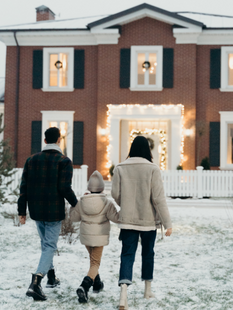 The winter real estate market can be an excellent time for buyers looking to take advantage of the potential bargains that are available. During this season, the competition among buyers is often much more relaxed than during the hotter months of summer.
For example, there may only be a few prospective buyers actively searching at any given time instead of many looking for the same property. This means that buyers may have more room to negotiate, which could potentially lead to a better deal.
PRO #2: LESS COMPETITION FOR PROPERTIES
The good news for buyers looking to purchase a home in the winter is that there is typically less competition for properties. During this season, fewer buyers are actively searching which means that there may be more opportunities to purchase a home without having to worry about bidding wars. This could potentially save buyers money as they may have more room to negotiate with sellers who may be looking for a quick sale. Prices during this season can also be lower since some sellers may be desperate to get rid of their property and need to cut back on prices in order to do so.
In addition, wintertime can often provide buyers with an opportunity to view properties more easily since there won't be as many other people competing for the same property. This could give potential buyers a better idea of what the property looks like and how much work would need to be done in order to make it livable. It also allows them time to think and research before making such a big decision, which is always important when buying a home.

PRO #3: LOWER SALES PRICE
One of the biggest pros of buying a home in the winter is that it can often be much cheaper than during other parts of the year. With fewer buyers in the market, sellers will likely be more willing to accept lower offers than they would have during busier times. This could potentially lead to a great deal for buyers who can do their research and make smart offers.
 In addition, some areas may experience lower prices for homes on the market due to seasonal changes.
For example, areas that experience heavy snowfall or colder temperatures in the winter months may experience drops in home prices as potential buyers are deterred by these conditions. This could present opportunities for savvy buyers looking to get a great deal and purchase a home at a much lower cost than during other times of the year.
Furthermore, some homeowners may also be eager to sell their homes quickly due to personal reasons such as job transfers or relocation, which could lead them to accept lower offers than they would have normally accepted during warmer months. This could be an excellent opportunity for buyers who can recognize these situations and take advantage of them while still getting a great deal on their home purchase.
Finally, wintertime is often considered an “off-season” for real estate transactions which means that there may not be as much competition from other buyers bidding up prices beyond what is reasonable or fair. This could help prospective buyers get exactly what they want without having to worry about overpaying for it due to competing bids from other parties interested in the same property.
PRO #4: CONTRACTORS/INSPECTORS ARE MORE AVAILABLE
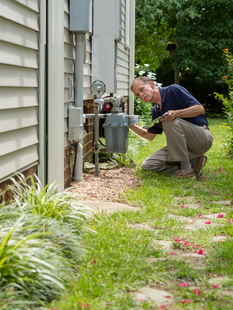 Another pro of buying a home in the winter is that contractors and inspectors are usually more available during this time since they often have fewer projects to work on. This could be beneficial for buyers who need to get inspections done quickly and want to ensure that the home they are considering is in good condition before they purchase it. This could also save buyers money since they may be able to secure lower prices from contractors who may not be as busy during the winter months.
In addition, some builders or developers may offer better rates on new homes during the winter months in order to attract customers and keep their businesses moving. Potential buyers should always research these deals in order to find out if there are any special offers available that could help them save money when purchasing a home. Furthermore, certain areas may also provide incentives for buying a home during this season such as tax breaks or other forms of financial assistance, so potential buyers should always look into these options before making a decision.
The winter season can also provide potential buyers with an opportunity to get a better idea of how a home functions in different weather conditions as well as how it is heated or cooled during this season. This could help them determine whether or not the property would meet their needs and if it would be suitable for living there year-round. In addition, properties typically appear more appealing during colder months since most landscapes will be covered with snow and foliage which can give a more inviting feel than what is usually seen during warmer months.

The Cons of Buying A Home In The Winter
CON #1: LESS INVENTORY/NOT AS MANY HOMES TO CHOOSE FROM
 One potential downside of buying a home in the winter is that there may be fewer properties available for purchase due to sellers often preferring to wait until spring or summertime before putting their homes on the market. This could mean that buyers have less choices when it comes to finding the perfect property and could potentially find themselves having to compromise on certain features they were hoping for.
CON #2: LESS DAYLIGHT FOR SHOWINGS
A potential con of buying a home in the winter is that there may be less daylight available for showings.
This could make it difficult to view properties in detail or to get a better sense of the layout since some rooms may not have enough natural light to properly assess them.
For example, the sunset sets before 4:00 pm during many winter days in North Idaho. If you're not getting out of work until 5:00 pm and going to look at the house at 6:00 pm you're looking at a home in the dark. How good of a feel for the home will you get when looking at in the dark?
Furthermore, certain features such as outdoor spaces or gardens may not be visible under layers of snow which can also hinder one’s ability to properly assess the property. Additionally, cold temperatures and icy conditions could make it difficult to explore properties on foot or by car, so prospective buyers should always plan accordingly and make sure they are prepared for inclement weather before viewing any homes in person.
CON #3: INSPECTIONS CAN BE HARDER
One of the cons of buying a home in the winter is that it can be difficult to do all the necessary inspections on the property due to weather conditions.
For many inspections, such as those for structural integrity or electrical systems, it may be too cold outside for inspectors to safely and effectively investigate certain areas of a home. Furthermore, certain components such as pipes and wiring are more prone to failure during colder months due to changes in temperature which could mean that an inspection would likely miss signs of damage that may not be immediately obvious.
 In addition, some materials used in construction such as wood may also react differently when exposed to extreme temperatures and other seasonal weather conditions which could affect how reliable an inspection would be during this time. This means that any findings from an inspection done in the winter might not accurately reflect what is actually happening inside the home since temperature changes could cause problems to appear or disappear before they are able to be detected by inspectors.
Finally, it can also be hard to inspect outdoor areas of a home during the winter due to snow and ice covering potential issues with landscaping or other features. While these issues will typically become visible during warmer months when snow melts, buyers should always consider asking for pictures or videos from previous inspections conducted in summertime so they can get a better idea of what needs attention on the property before committing to purchase it.
CON #4: NOT FUN TO MOVE DURING THE WINTER
Another potential con of buying a home in the winter is that it can be more difficult and unpleasant to move during this time.
The cold weather can make it more difficult for movers to do their job as well as potentially causing issues with certain items such as electronics that may not function properly in lower temperatures. Furthermore, snow and ice can also make it harder to move furniture or other items into a new property, which could lead to additional costs if professional movers need to be hired.
CON #5: CHANGING SCHOOLS

A good chunk of real estate is impacted by the school year. Families look to buy and sell based on the schedule of the school year so as NOT to impact their children having to change schools in the middle of the school year.
By buying in the winter you can potentially find a deal on a home but may also have to disrupt your child's education by changing schools during the school year.
CON #6: HARD TO GET A FEEL FOR THE ENTIRE PROPERTY
 Getting a feel for an entire property during the winter months can prove to be difficult, especially in areas prone to icy temperatures and heavy snowfall. As mentioned before, some areas of a property may not have enough natural light to properly assess them.
In addition, certain features such as outdoor spaces or gardens may be covered in ice and snow which could make it difficult to get an accurate feel for the property.
In order to properly assess a home in the winter and make sure all necessary inspections are done, buyers should be prepared to ask their real estate agents or inspectors more questions about certain areas of the property that may not be as visible under layers of snow or ice.
You could ask to see if there are any pictures from spring or summer.
*Expert Tip - What we do at Persinger Group for our buyer clients is go back and look to see if there are old photos in the MLS from a previous listing.
Additionally, potential buyers should also plan ahead and consider scheduling viewings during daylight hours whenever possible so they can better understand what they are looking at when viewing properties. This will help ensure that no major issues go unnoticed due to lack of natural light or difficulty seeing certain features because of snow or ice.
On the other hand, you could end up being surprised by the beautiful yard, landscaping, and blooming flowers, and trees.
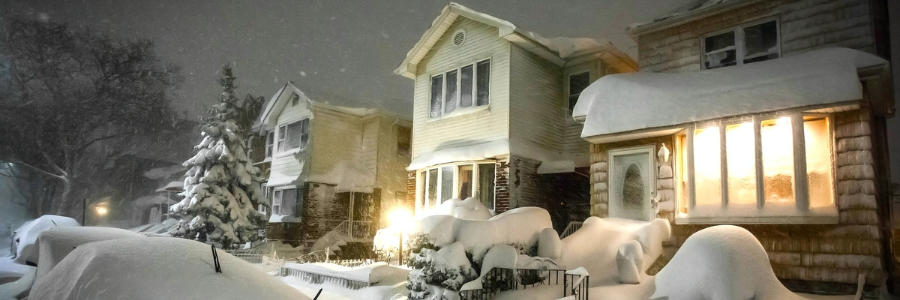
Problems of buying a winterized home
Sometimes homes have been winterized. Especially if they are vacant.
Buying a winterized home in the winter months can pose certain risks that buyers should be aware of. For starters, a winterized home typically means that all of the water has been turned off, either by the previous owners or managers of the property. This could potentially lead to issues such as frozen pipes or water damage if not properly addressed prior to purchase.
In addition, a winterized home may also have its heating system turned off which could lead to potential issues when it comes time to move in and turn on the heat. If not done properly, this could cause issues such as an inefficient HVAC system or even damage due to a faulty furnace.
It is important for buyers to understand these risks when considering buying a winterized home and take steps to make sure any potential problems are addressed prior to closing on the property. This often requires having professionals come in and inspect the property for any existing problems before committing to purchase it.
Moreover, if there are existing problems that need to be fixed after purchase, this can become costly and time-consuming as well as potentially putting occupants at risk due to things like carbon monoxide poisoning from an improperly functioning furnace or other heating appliance.
Buyers should always ask their real estate agents or inspectors about potential issues with a property before committing themselves so they can make sure they are making an informed decision when it comes time to buy.
When possible, no matter how inconvenient, buyers should ask sellers to de-winterize the house.
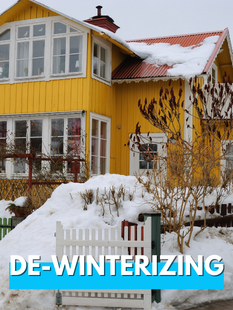 De-winterizing a house is the process of undoing any winterization that has been done to it and ensuring that all systems are ready for use. This includes restoring normal water and heating services, along with checking all mechanical systems such as plumbing, electrical, HVAC, and appliance connections.
The main goal of de-winterizing a home is to make sure it is safe and operational prior to moving in or selling. Depending on the type of winterization that was done, this can involve turning the water back on, draining any existing standing water in pipes or fixtures, flushing out any remaining water, reattaching hoses to appliances and faucets, replacing air filters in units such as furnaces, fireplaces or air conditioners, testing for gas leakage from lines or appliances with a combustible gas indicator device and having each system inspected by qualified professionals.
Another important aspect of de-winterizing a home is making sure all insulation levels are up to standards set by local building codes. This ensures that energy costs remain low and occupants are comfortable throughout the year. It also helps provide peace of mind since proper insulation can prevent issues like frozen pipes which could lead to costly repairs should they burst.
In addition to the previously mentioned tasks associated with de-winterizing a home, buyers should also be aware of potential pest problems that may have arisen during its winterized state due to lack of heat or other factors. Signs of pests include droppings or nests in cupboards or closets as well as visible damage caused by chewing or burrowing animals. If found, these must be addressed before moving into a newly purchased home in order to avoid potential health risks associated with certain types of animals such as rodents and insects.
Get pre-approved for financing before beginning your search so you know what price range you should be looking at
As always , it is important to get pre-approved for financing before beginning your search so you know what price range you should be looking at and what kind of loan may be available. This will help narrow the search down since buyers can have an idea of how much they can afford and what types of homes are within their budget.
Even though you might have more time to shop for a home in the winter and feel less pressure on your timeline, being pre-approved is still essential.
Take extra time when viewing properties to make sure all areas have been thoroughly inspected
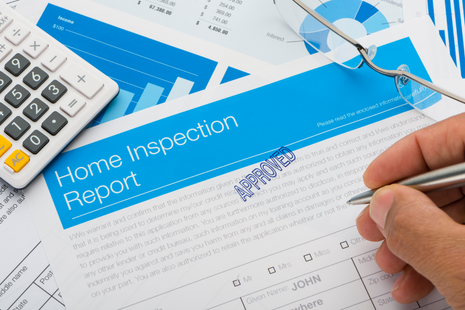 When viewing properties during the winter, it is important to take extra time and thoroughly inspect all areas of the home. This is especially true if there has been a lot of snow on the ground as it can be difficult to get an accurate view of what is actually happening up close.
It’s also important to remember that certain problems such as mold or water damage may not be visible until warmer temperatures arrive. So even though it might be cold outside, make sure you check for any signs of these issues before committing to purchase a home.
Be prepared for winter weather conditions when going to view properties
When going to view properties in the winter, it’s important to be prepared for cold weather conditions. This means wearing layers of clothing and having supplies such as flashlights, blankets or an emergency kit with you in case of an unexpected power outage.
Also, make sure your vehicle is well maintained and up to date on all its maintenance needs. This is especially true if you are driving in areas that are prone to snow and ice since roads can become dangerous quickly during a storm.
Be cautious of driveways that are unplowed and icy sidewalks.
FINAL THOUGHTS ON WINTER HOME BUYING
Buying a home during the winter can be an excellent opportunity for buyers to get great deals and save money. However, it is important to take extra precautions when viewing properties in cold weather conditions and make sure that all areas of the house have been inspected thoroughly. Additionally, it’s essential to be pre-approved for financing before beginning your search so you know what price range you should be looking at. If done correctly, buying a home in the winter months can prove beneficial as long as potential issues are taken into consideration beforehand.

FAQ's On Buying A Home During The Winter
1. What are the benefits of buying a home in winter?
The primary benefit of buying a home in winter is the potential for getting a better deal as there may be fewer buyers competing for homes during this time. Additionally, sellers are often more motivated to make a sale and may be willing to negotiate on price.
2. Are there any additional considerations when buying in the winter?
When viewing properties during the winter, it is important to take extra time and thoroughly inspect all areas of the home due to snow making it difficult to get an accurate view. Also, certain issues such as mold or water damage may not be visible until warmer temperatures arrive so it’s important to look out for any signs of these problems before committing to purchase a home. In addition, buyers should be prepared for cold weather conditions and make sure their vehicles are well maintained.
3. How can I get the best deal when buying a home in winter?
The best way to get the best deal when buying a home in winter is to be prepared and know what you are looking for. Have your financing pre-approved so you know what price range you should be looking at and take extra time to thoroughly inspect all areas of the homes when viewing properties. Additionally, sellers are often more motivated to make a sale so be prepared to negotiate on price. Finally, don’t be afraid to ask questions and do research on the area before committing to a purchase.
4. What should I look out for when inspecting a property during winter?
When inspecting a property during the winter, it’s important to look out for any signs of mold or water damage that may not be visible until warmer temperatures arrive. Additionally, buyers should check for any structural issues such as cracks in the foundation or siding and also make sure all appliances are in working order. If a home is winterized, ask for it to be de-winterized before doing any inspections. By taking these precautions before committing to purchase, buyers can ensure they’re making the best decision possible when buying a home during this season.
5. Are there any potential risks associated with buying a home in the winter months?
The main risk associated with buying a home in the winter months is cold weather making it difficult to view properties. It can also be more challenging to inspect all areas of the home due to snow concealing certain issues. Additionally, there may be certain maintenance issues that are not visible until warm weather arrives so buyers should be prepared for this possibility and ask questions before committing to purchase. Finally, if a home is winterized, make sure it’s de-winterized before carrying out any inspections as it could cause further damage in the long run.
After getting the home you might feel inconvenienced with having to move during the cold winter months, especially if that also means moving your kids from one school to another.
CONTACT US TO HELP YOUR HOME-BUYING SEARCH
If you’re considering buying a home in the winter months, make sure to do your research and take all necessary precautions before committing to purchase. Contact a Persinger Group real estate agent today for advice on how to get the best deal when looking for properties during this season.
With the right knowledge and preparation, buyers can be sure they’re making an informed decision and getting the best deal possible when buying a home during the winter months. Don't let cold weather stand in your way of finding your dream home!
Start searching now and find out what opportunities are available during this season.
GET YOUR 7 COSTLY MISTAKES DOWNLOAD

