


Style Is for You. Staging Is for Everyone Else.
Why so many well-decorated homes still sit on the market longer than they should — and the shift that changes it.
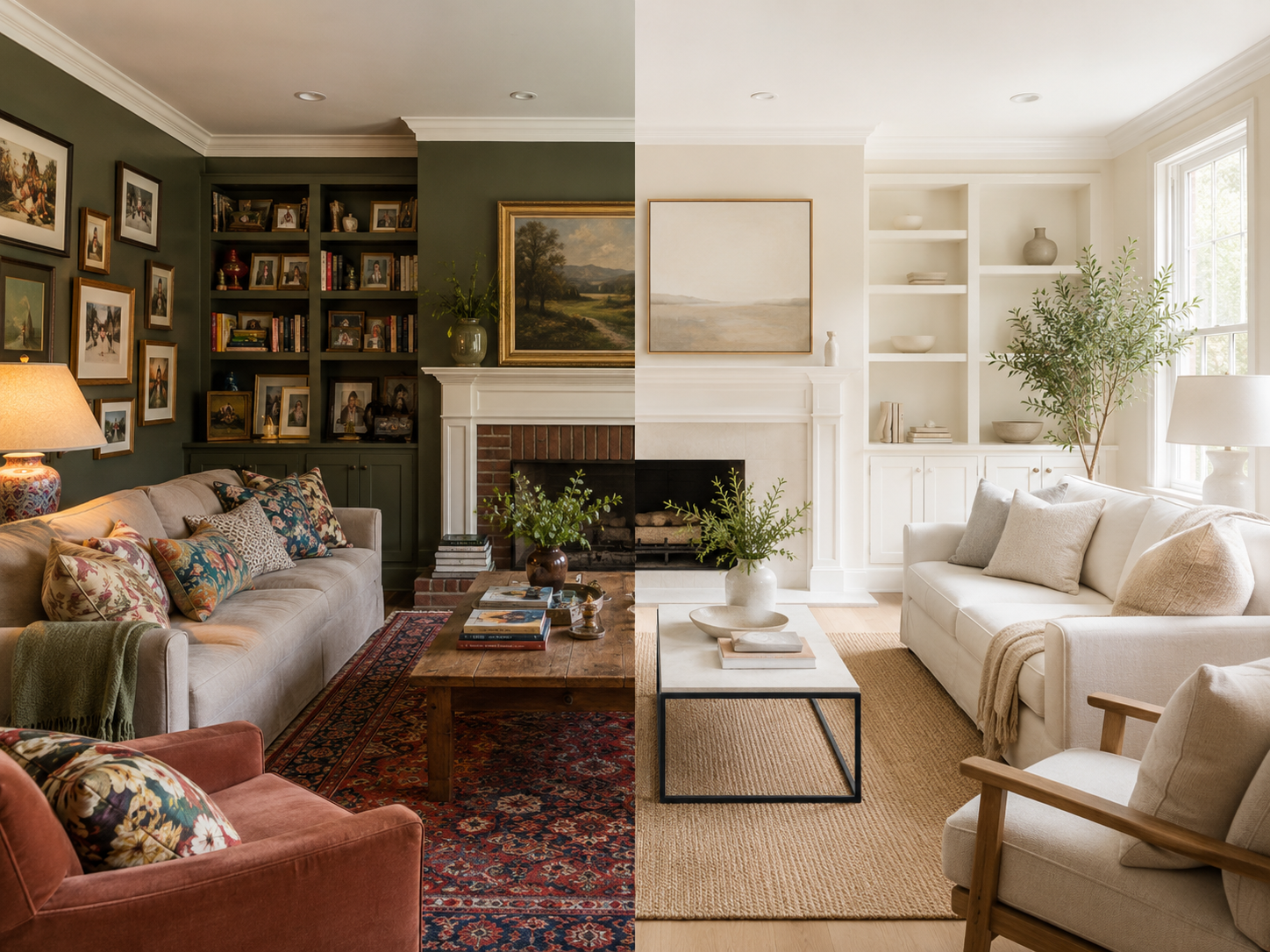
Your home reflects who you are. The art on the walls, the color you painted the accent wall, the furniture you saved up for — none of that is wrong. It's yours, and it should be.
A home isn't just walls and square footage. It's where memories get made — birthdays in that kitchen, holidays around that table, kids growing up in those bedrooms. That's real, and it matters. Nobody's asking you to forget that or pretend it doesn't.
But the day you decide to sell, the goal changes. You're no longer decorating for yourself. You're presenting the home to strangers who need to picture themselves living there, so they can start making their own memories in it. That's the whole difference between style and staging, and it's why so many well-decorated homes still sit on the market longer than they should.
Style Is for You. Staging Is for Everyone Else.
Here's the simplest way to think about it: interior design and personal style showcase your stuff. Staging showcases the home.
Design is about identity. It says something about the people who live there — their taste, their story, their memories. That's exactly what makes a house feel like a home, and it's exactly why it needs to take a back seat when you sell.
Staging has a different job. It's not about showing off anything — yours or otherwise. It's about putting the home itself front and center and removing anything that competes with it. A buyer walking through your home isn't shopping for your taste. They're trying to answer one question: could I see myself here?
Bold colors, heavy patterns, collections, family photos, personal keepsakes — all of it competes for attention. And when a buyer is busy noticing your things, they're not picturing their own.
Why "But I Love It This Way" Doesn't Help You Sell
We hear this a lot: "We just redid this room and we love it." We believe you. But loving a space and selling a space are two different games with two different rules.
Buyers aren't touring your home to compliment your choices. They're comparing it — consciously or not — to every other listing they've seen that week. A staged home gives them less to react to and more room to project themselves into it. A heavily personalized home gives them more to notice and less to imagine.
This isn't a judgment on your style. It's just what the data on home sales consistently shows: neutral, decluttered, well-staged homes sell faster and for more money than homes left in their "lived-in" personal state.
What Good Staging Actually Does
Good staging isn't just about removing your personality from a room. It's doing active work on the buyer while they walk through.
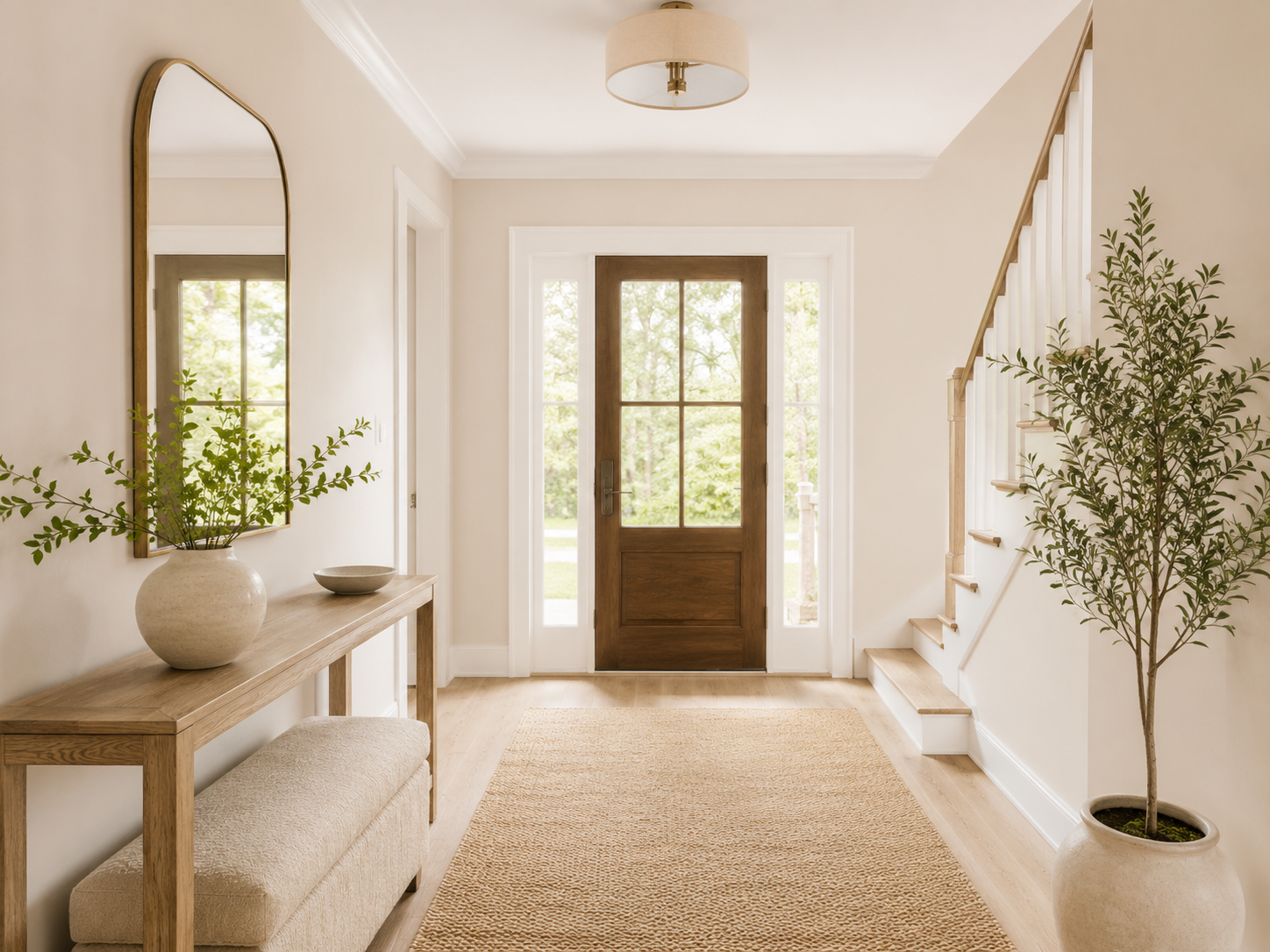
- It invites you in. The entryway sets the tone before a buyer even steps past it. A staged entry says "come see the rest," instead of making someone stop and process clutter first.
- It creates flow. Furniture is placed so the eye — and the feet — naturally move from one space to the next. Nothing blocks a doorway. Nothing forces an awkward walk around a couch. The home feels bigger because it's easier to move through.
- It pulls you into the next room. A staged home is arranged so each room hints at the next one. A clear sightline into the dining room from the kitchen, an open path toward the primary suite — it keeps buyers moving, and moving buyers stay engaged longer.
- It highlights the best features of each room. A fireplace gets furniture arranged around it instead of blocked by it. A view gets framed, not covered by heavy drapes. A vaulted ceiling gets emphasized with the right lighting, not competed with by a bulky piece of furniture.
- It removes the friction points that make buyers pause. Anything that makes a buyer stop and think — an odd smell, a cluttered corner, a room they can't figure out the purpose of — breaks the momentum. Staging keeps that momentum going from the front door to the backyard.
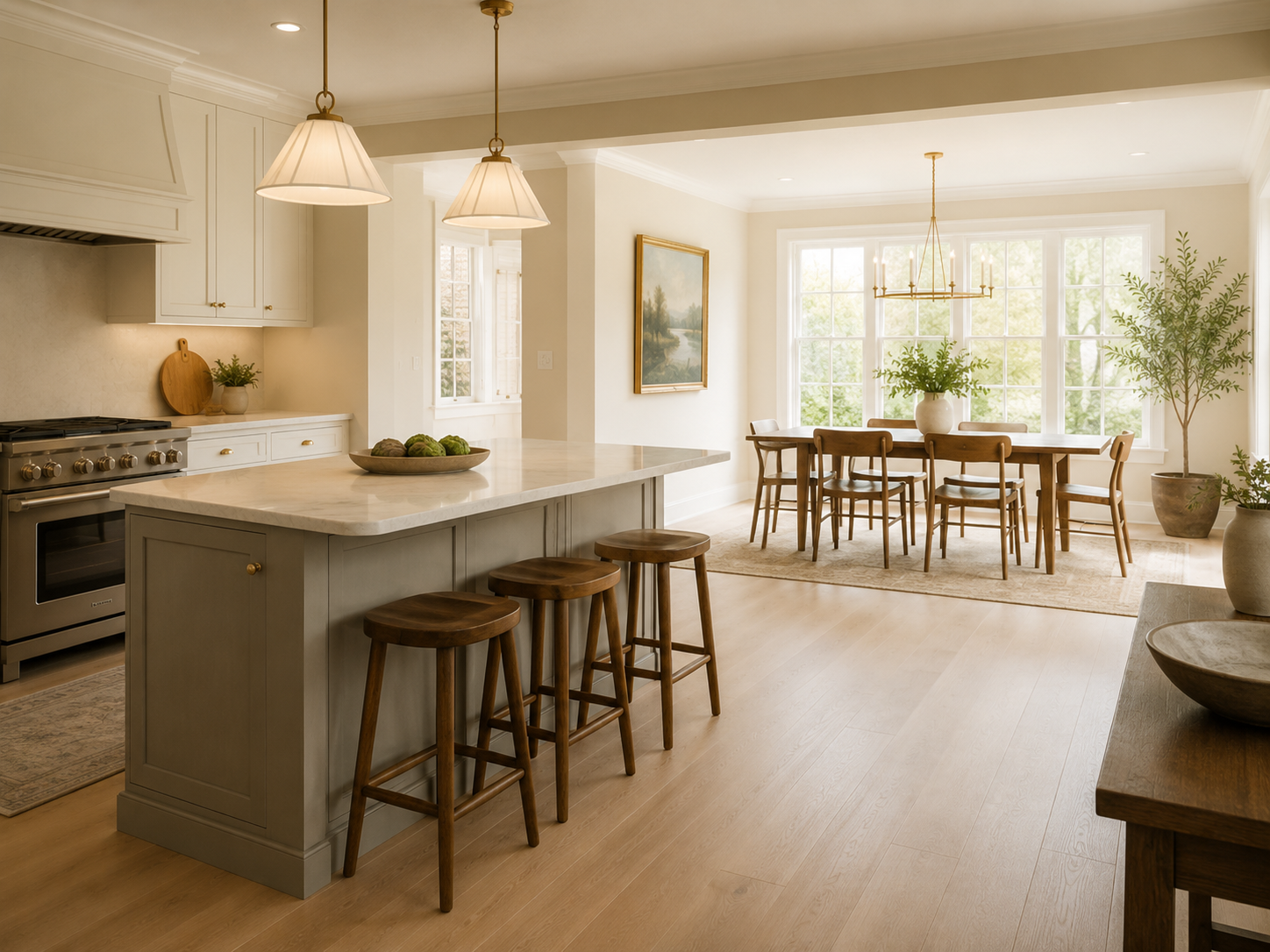
None of this is about tricking anyone. It's about presenting the home the way it's meant to be experienced, without the everyday clutter of actually living in it getting in the way.
What Staging Actually Looks Like
Staging isn't about stripping your home of personality and making it feel like a hotel lobby. Good staging still feels warm. It just removes friction. In practice, that usually means:
- Neutral wall colors and simple, clean bedding and linens
- Decluttered counters, closets, and surfaces
- Furniture arranged to show scale and flow, not to reflect how you actually live
- Personal photos and unique collections packed away
- Bold or unusual paint colors softened or repainted where needed
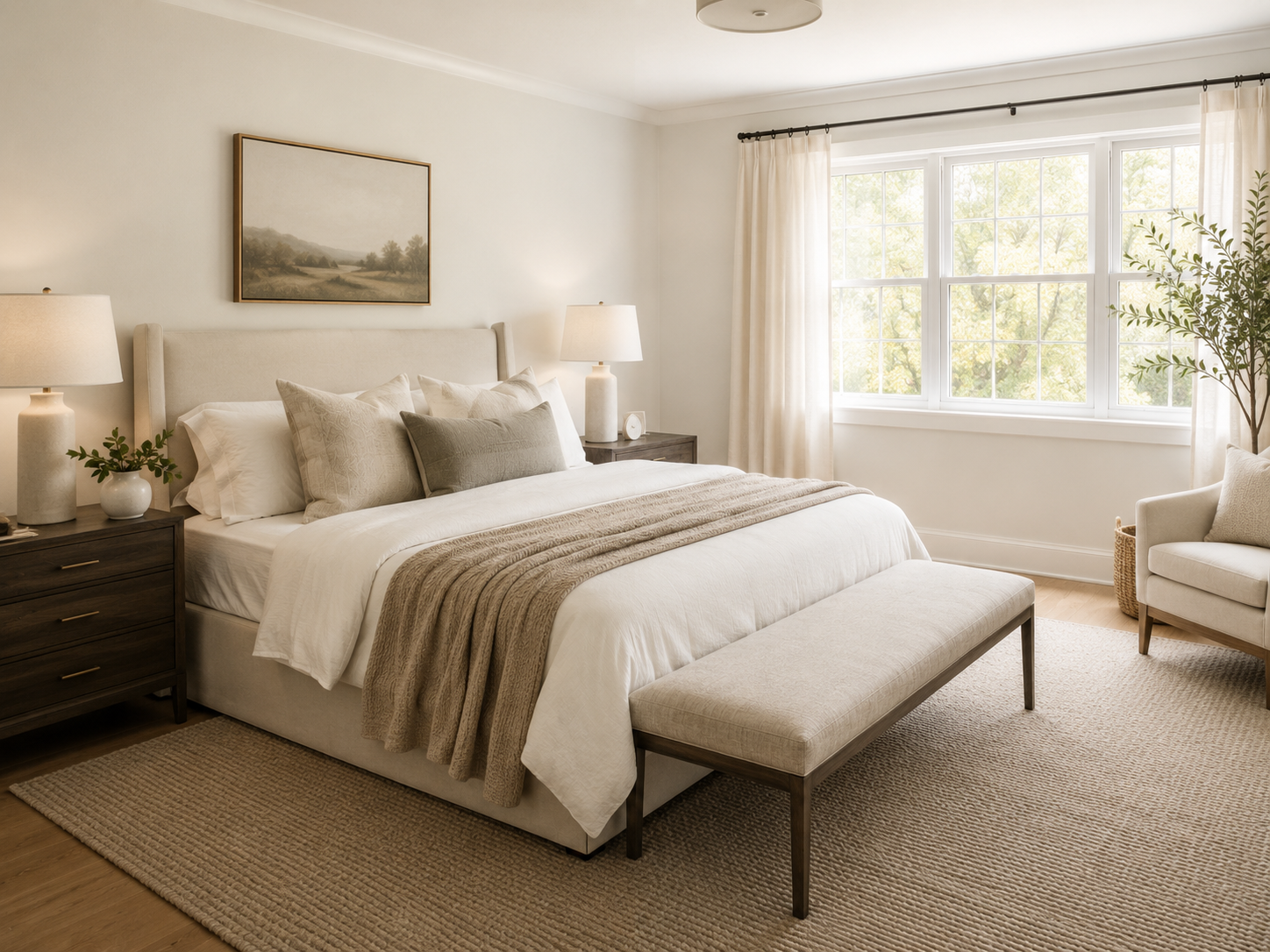
None of this is permanent. It's temporary, and it's strategic. Once the home sells, your personal style comes right back with you to the next place.
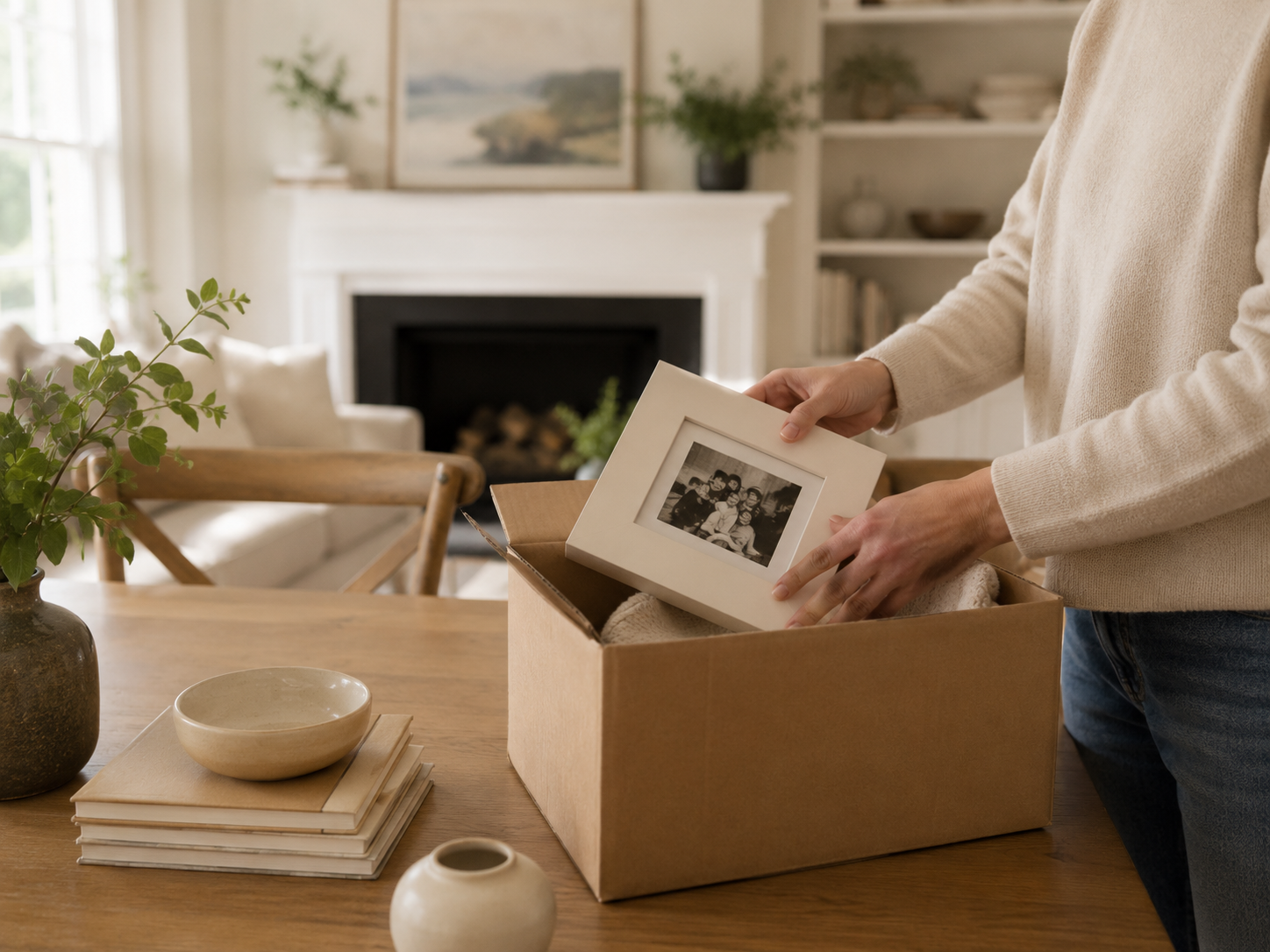
Keep your style in the home you're living in. When it's time to sell, switch the goal from "this feels like us" to "this could feel like you."
The Bottom Line
That shift is what gets homes sold faster, for more money, with less back-and-forth.
The memories you made in that home don't go anywhere. They're yours to keep. Staging just makes room for the next family to start making theirs.
If you're getting ready to list and aren't sure what needs to change and what can stay, that's exactly the kind of walkthrough we do with our sellers before a home ever hits the market.
Thinking about selling?
Reach out to the Persinger Group — we'll walk your home with you and tell you straight what's worth doing and what isn't.
Get in Touch:format(webp):quality(80)/u.realgeeks.media/katherinecannon/Check_your_home_value.png)
:format(webp):quality(80)/u.realgeeks.media/katherinecannon/Have_a_real_estate_conversation.png)