

How to Sell a Short-Term Rental Property in North Idaho
(What Most Agents Won't Tell You)
BONUS INVITE: Mindset Money Hacks
If you own a vacation rental or short-term rental (STR) in North Idaho — whether it's a lakefront cabin on Lake Coeur d'Alene, a mountain retreat near Schweitzer, or an investment property in Kootenai County — selling it is a fundamentally different process than selling a traditional home.
Most sellers don't realize this until they're already in escrow and something goes sideways. Bookings that can't transfer. Permits that don't convey. Buyers who don't understand STR income the way you do. Tax implications nobody warned you about.
So if you’re deciding whether to hold or sell your STR, this guide is the honest, practical walkthrough you need before you list.

Why Selling a Short Term Rental Is Different From a Regular Home Sale
When you sell a standard owner-occupied home, the transaction is relatively clean: buyer, seller, property, price, close. An STR adds several layers of complexity that most generalist real estate agents simply aren't experienced with:
- Active bookings that can't legally transfer to the new owner
- Permits that typically don't convey with the sale
- Income documentation that needs to be presented the right way to attract investor buyers
- Furnished vs. unfurnished decisions that affect both price and buyer pool
- Platform accounts (Airbnb, VRBO) that are tied to you personally, not the property
- Tax treatment that differs from a primary residence sale
- Buyer financing that can be complicated by STR income history
Each one of these is a potential deal-killer or negotiation landmine if you're not prepared for it. Let's go through them one by one.
Step 1: Understand What Does — and Doesn't — Transfer to the Buyer
This is the most misunderstood part of selling an STR, and it trips up both sellers and buyers constantly.
What does NOT transfer:
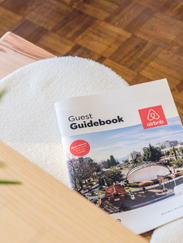
- Your Airbnb or VRBO listing. Neither platform allows listings to be transferred to a new owner. The buyer must create a brand-new account and listing from scratch. That means no reviews transfer — not even one star of your five-star Superhost status goes with the property.
- Your STR permit. In Coeur d'Alene and most of Kootenai County, short-term rental permits are issued to the property owner, not the property itself. A buyer should expect to apply for a new permit after closing. This matters because it affects how quickly they can start operating — and it can affect how a buyer underwrites the deal.
- Your existing bookings. Airbnb and VRBO do not allow reservation transfers to new owners. Any bookings after the close date will need to be cancelled or handled through a specific process with the platform.
- Your management agreements. If you use a property management company, that contract doesn't automatically carry over. However, buyers can choose to continue the relationship if they want.
What CAN transfer (with intention):
- Your listing photos and description text — buyers can request copies to use when they set up their new listing
- Your systems, processes, pricing strategies, and operational playbook
- Guest communication templates
- Vendor relationships (cleaners, maintenance contacts)
- Revenue history and performance data
The operational handoff is where a smooth sale is won or lost. Sellers who document their systems and present a clean operational package get better offers.
Step 2: Decide How to Handle Active Bookings
This is the conversation you need to have before you list — not after you accept an offer.
You have a few options:

Option A: Stop accepting new bookings once you list. This is the cleanest path. You honor all existing reservations through closing and hand the property to the buyer free and clear of any guest obligations. The downside is you're leaving rental income on the table during your listing period.
Option B: Continue accepting bookings with a blackout window near closing. Block off 30–60 days around your anticipated close date to give yourself flexibility for showings, inspections, and the transition. This lets you keep earning while not creating a guest conflict at closing.
Option C: Negotiate booking handling with the buyer. If the buyer plans to continue operating as an STR, some sellers work out an informal arrangement where they honor existing bookings after closing and split the proceeds. This is complicated legally and operationally, and generally not recommended without counsel.
The Airbnb cancellation process: If you need to cancel existing reservations due to a sale, contact Airbnb directly and provide proof of the pending sale (purchase agreement or closing documents). Airbnb can cancel bookings without penalties to you and helps guests rebook. Without that documentation, cancellation fees can hit — $50 per booking more than 7 days out, $100 within 7 days — and enough cancellations can cost you your Superhost status.
One more thing: Be transparent with your listing agent about your booking calendar. A property that's showing poorly because it's perpetually occupied isn't going to get top dollar.
Step 3: Get Your Income Documentation in Order
This is where STR sellers leave the most money on the table. 
Investor buyers — the most likely purchasers of your North Idaho STR — think in numbers. They want to see cap rates, occupancy rates, average daily rates, and net operating income. If you can't present clean financials, they'll discount their offer to compensate for uncertainty. They want to know how profitable this short term rental will be.
What to prepare:
- Annual gross rental income for the past 2–3 years, broken out by month (seasonality matters)
- Occupancy rate — what percentage of available nights were booked
- Average daily rate (ADR)
- Operating expenses: cleaning fees, property management fees (if any), supplies, maintenance, insurance, property taxes, platform fees
- Net operating income (NOI): gross revenue minus operating expenses
- Cap rate: NOI divided by purchase price (investors will calculate this themselves, but having your own figure shows sophistication)
Airbnb's host dashboard and VRBO's owner portal both have earnings reports you can download. If you've been using a property management company, they should have monthly and annual statements.
A note on presenting income to buyer's lenders: STR income is treated differently than long-term rental income in most mortgage underwriting. Many lenders will require 2 years of tax returns showing Schedule E income before they'll count it. Some buyers will use DSCR (Debt Service Coverage Ratio) loans specifically designed for investment properties, where the rental income itself qualifies the loan rather than the buyer's personal income. Understanding this helps you anticipate financing contingencies and potential delays.
Step 4: Know the North Idaho STR Regulatory Landscape
The regulatory environment for short-term rentals in Idaho is genuinely one of the more favorable in the country — and that's a selling point you should know how to talk about.
But there are new STR regulations hitting North Idaho investors.

Idaho state law protects STRs at the state level. Idaho Code § 67-6539 limits local governments from effectively banning short-term rentals, and a May 2025 Idaho Supreme Court decision reinforced this, striking down a local ordinance that functioned as a de facto ban in residential zones. Cities can regulate health, safety, and operations — but they cannot prohibit STRs outright.
City of Coeur d'Alene: The city has required STR permits since 2017. Permits are not transferable upon sale, so buyers need to budget time and cost for a new application. Current regulations include one-unit-per-parcel limits and compliance with lodging tax requirements. The good news for sellers: the existence of a clear permitting framework signals to buyers that this is a regulated, legitimate market — not a gray zone they're stepping into.
Kootenai County (unincorporated areas): Properties outside incorporated city limits fall under county jurisdiction, where STR discussions have been ongoing but generally less restrictive than some neighboring states. If your property is in the county rather than the city, make sure you know exactly what rules apply.
Tax obligations: North Idaho STR operators are responsible for collecting and remitting Idaho sales tax, Travel and Convention tax, and any applicable local lodging taxes. Buyers will need to register with the Idaho State Tax Commission. Platforms like Airbnb collect and remit some of these taxes in certain jurisdictions, but hosts remain responsible for compliance. This is worth disclosing and explaining during the sale process — a buyer who doesn't understand their tax obligations is a buyer who may get cold feet.
Step 5: Think Carefully About Selling Furnished vs. Unfurnished
One of the first decisions you'll face is whether to sell the property furnished.
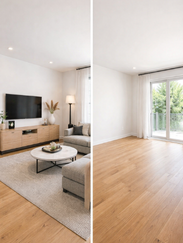
The case for selling furnished:
- Turnkey properties command a premium with investor buyers who want to start generating income immediately
- It eliminates the headache of moving furniture, especially if you have an out-of-area property
- A well-appointed, STR-ready home photographs and shows better
- Buyers save on setup costs and can potentially start operating faster
The case for selling unfurnished:
- You may be able to sell the furniture separately at full replacement value if the buyer doesn't want it
- Some buyers prefer to furnish to their own taste and brand standards
- Primary residence buyers (a smaller but possible buyer pool) rarely want someone else's vacation furniture
The practical middle ground: Stage the listing photos with furnishings in place, then negotiate furniture as a separate line item in the purchase agreement. This lets the market tell you what the furniture is worth rather than you guessing.
Step 6: Price It Like an Investor Would Buy It
STR pricing is part art, part investor math. You're not just selling square footage and a lake view — you're selling an income-producing asset.
Sophisticated buyers will look at:

- Gross Rent Multiplier (GRM): Purchase price divided by annual gross rental income. Lower is better for buyers.
- Cap Rate: NOI divided by purchase price. In North Idaho's STR market, a 6–10% cap rate is a reasonable range depending on property type and location. Lakefront properties often trade at lower cap rates because appreciation and lifestyle value compress the yield.
- Comparable STR sales: This is harder to pull because most MLS data doesn't flag STR income history, which is exactly why working with an agent who specializes in this market matters.
Don't price based only on comps of similar homes. A lakefront cabin that generates $80,000/year in gross rental income is worth more than an identical cabin next door that's been sitting dark. Your income history is a material part of your value proposition — make sure it's reflected in the price and presented clearly in the listing.
RELATED: Best Neighborhoods in Coeur d'Alene
Step 7: Understand Your Tax Exposure Before You Sell
This is not legal or tax advice — talk to your CPA before you close — but here are the key issues to understand.
Capital gains: If you've owned the property for more than a year, you'll owe long-term capital gains tax on any appreciation. For most sellers, this is 15–20% federally depending on income. Idaho has a state income tax that applies as well.
Depreciation recapture: If you've been depreciating the property as a rental (which you should have been), the IRS will recapture that depreciation at ordinary income tax rates when you sell — up to 25% federally. This often surprises STR sellers who haven't modeled it out.
1031 Exchange: If you want to defer capital gains, you can roll the proceeds into a like-kind investment property through a 1031 exchange. The rules are strict — you have 45 days to identify a replacement property and 180 days to close — but it's a powerful tool for North Idaho investors who want to trade up or reposition their portfolio without a massive tax hit.
Primary residence exclusion: If you've also used the property as a personal residence for 2 of the last 5 years, you may qualify for a partial exclusion on capital gains ($250,000 for single filers, $500,000 for married). The math gets complicated with STR properties, but it's worth exploring with your tax advisor.
The North Idaho STR Market: Why Now Is Still a Good Time to Sell
North Idaho continues to be one of the most in-demand STR markets in the Pacific Northwest. The drivers are durable:
- Lake Coeur d'Alene remains one of the most recognized and photographed lakes in the country
- Schweitzer Mountain, Silver Mountain, and Lookout Pass draw consistent winter recreation demand
- The broader population migration from California, Washington, and Oregon continues, bringing buyers who understand STR income and want North Idaho exposure
- Idaho's STR-protective state law creates a more stable regulatory environment than many competitive markets
If you've been considering a sale and have been waiting for the "right time," the combination of strong demand, a favorable regulatory environment, and an active investor buyer pool makes North Idaho a legitimate seller's market for quality STR properties.
Quick Reference: Short Term Selling Checklist
Before you list your North Idaho short-term rental, make sure you've addressed the following:
- Pulled 2–3 years of income documentation from your platform dashboards
- Organized operating expense records to calculate true NOI
- Decided on your booking strategy going forward (stop new bookings, blackout window, or continue)
- Consulted your CPA about capital gains, depreciation recapture, and 1031 exchange options
- Confirmed current permit status and what the buyer will need to do post-closing
- Decided whether to sell furnished or negotiate furniture separately
- Compiled your operational systems, vendor contacts, and listing assets to hand off to the buyer
Ready to Talk?
Selling a short-term rental in North Idaho isn't complicated when you have the right guidance — but it does require preparation that a standard home sale doesn't.
If you're also wondering whether North Idaho is still a good market to buy a short-term rental — the answer is yes, with some important nuances. We'll cover that in our next guide: [Is Coeur d'Alene a Good Place to Buy a Short-Term Rental?]
Questions about your specific situation? Reach out to the Persinger Group — we're happy to talk through what a sale would look like for your property before you make any decisions.
Want the full Mindset Money Hacks Guide?
Drop your email below and we’ll send you guide instantly.
And when you’re ready, here are 4 ways we can help you right now…
- Read this article – What New Airbnb Laws Mean for Short-Term Rental Real Estate Investors in 2025
- If you’re a first-time homebuyer – get your free guide, 7 Costly Mistakes Home Buyers Make, visit http://costlymistakeshomebuyersmake.com
- If you’re SELLING your home – get access to our Get Sell Ready guide and checklist. It will show you how to get your home ready for sale without spending a fortune or wasting your nights and weekends updating and remodeling your home. http://getsellready.com
- Start a Smart Moves Conversation with us… get clarity about what to do next, get your questions answered, your concerns taken care of, and an action plan customized to your timeline. Schedule a call at http://smartmovescall.com or start a chat at http://m.me/persingergroup

