



BONUS MATERIAL: GET OUR GET-SELL-READY GUIDE. 18 SIMPLE INEXPENSIVE THINGS YOU CAN DO TO GET YOUR HOME READY FOR SALE
Thinking about real estate investing but overwhelmed by the idea of risky flips or landlord headaches?
A live-in flip might be the low-stress, high-reward strategy you've been looking for.
A live-in flip is when you buy a home that needs cosmetic updates, live in it as your primary residence, improve it over time, and sell it for a profit, often tax-free.
It’s a smart, beginner-friendly real estate strategy that builds wealth without needing to flip fast or buy at foreclosure prices.
Why a Live-In Flip Is the Best Kept Secret in Real Estate
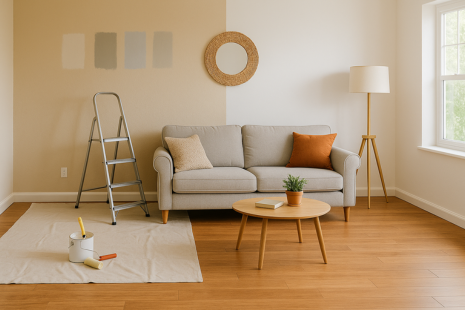 Most people think real estate investing means:
- Buying distressed properties
- Taking on big renovations
- Dealing with tenants or high-risk
- Racing the clock to flip before holding costs pile up
A live-in flip turns that model on its head.
You're:
✅ Living in the home (so no rush to sell)
✅ Renovating gradually (on your schedule)
✅ Qualifying for capital gains tax exclusion
✅ Building equity and tax-free wealth
This isn’t just an investment strategy. It’s a lifestyle play.
You’re not swinging hammers every weekend or managing subs with a clipboard. You’re living your life. In a home that gets nicer and more valuable with every project.
You can:
- Spread updates over time - no need to renovate before moving in
- Choose improvements based on your budget and life stage
- Enjoy your upgrades - you live in the reward before you cash it in
Bottom line: A live-in flip lets your lifestyle fund your wealth-building. You don’t need to be a contractor. You just need a plan and a good eye.
Real Estate Investing With The Capital Gains Tax Advantage
Here’s the game changer:
If you live in your home for 2 of the last 5 years, you can exclude up to $250,000 in capital gains from taxes - or $500,000 if married filing jointly.
This is called the Section 121 Exclusion. It’s IRS-approved, totally legal, and incredibly powerful.
Do one live-in flip every 3–5 years, and you could build serious wealth without the headaches of full-time investing or rentals.
Why Live-In Flip Is Less Risky Than Traditional Flipping
Flippers face tight timelines. Every day they hold a property costs money (loan interest, taxes, insurance, etc.). That pressure can lead to rushed decisions and risk if the market dips.
With a live-in flip:
- You own the property and live in it
- There’s no urgency to sell fast
- If the market softens, you can wait
- Worst case? You just keep living in a nicer home
🔎 How to find a home to do a Live-In Flip?
 “Wedge Deals” - And Why It’s Your Best Bet
A wedge deal is a home that’s:
- Too outdated for picky retail buyers
- Not profitable enough for flippers
- Perfect for a live-in owner who can improve it over time
Look for:
- Dated kitchens and bathrooms
- Old carpet or weird paint colors
- Cosmetic flaws, not structural issues
You unlock equity by updating the home over time - while living in it.
Where to Find Wedge Deals:
- Homes priced slightly below comps due to cosmetic issues
- Listings that have sat stale for 30+ days
- Estate sales with original finishes from the 90s or earlier
Look for: outdated finishes, strange colors, old carpet, bad photos, or long DOM (days on market).
Avoid: foundation issues, roof replacements, or extensive plumbing/electrical unless you're experienced.
These homes are hiding in plain sight.
Search terms to use: "as-is," "needs TLC," "investor special," "bring your imagination"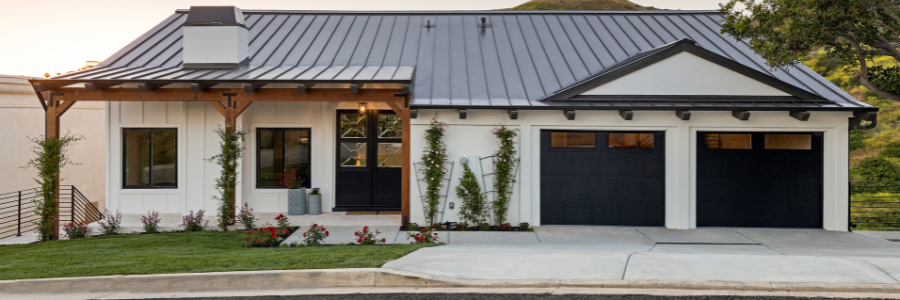
Example: How a Live-In Flip Could Pay Off
Let’s break it down with real-world numbers:
- Purchase Price: $400,000 (just below national median price as of now)
- Renovation Budget: $30,000
- Total Cost Basis: $430,000 (purchase + renovations)
- Time in Home: 3 years
- Estimated Resale Price (after updates and market appreciation): $500,000
How We Get to $500,000:
You bought at $400,000. About 10% below the $440,000–$450,000 range for updated homes nearby. You invested $30,000 in cosmetic improvements to bring the home up to par with neighborhood comps. Over three years, with a steady 4% appreciation rate, landing near $500,000. With the added value from your renovations.
What to Renovate First (and What to Skip)
 Too many live-in flippers waste time and money on the wrong projects. Here’s the real playbook:
✅ High-ROI Updates:
- Paint
- Flooring
- Kitchen/bath facelifts (cabinet paint, new fixtures)
- Curb appeal (landscaping, exterior lighting)
⛔ Low-ROI or Overkill Projects:
- Luxury upgrades in mid-tier neighborhoods
- Full gut remodels when cosmetic will do
- Pools or fancy landscaping that don’t match the neighborhood
Lift perceived value - without blowing the budget.
Why This Strategy Beats Renting (or Staying Too Long in a Starter Home)
Instead of:
- Throwing money away on rent
- Feeling stuck in a home that no longer fits
- Waiting for perfect timing (while home values rise)
You could be:
- Building tax-free equity
- Living in a better home each time you move
- Growing your net worth with zero landlord stress
Why Most People Never Do This - and How You Can Be Different
 Most people:
- Can’t see past ugly carpet or 90s cabinets
- Think every fixer needs a full renovation
- Don’t know about the Section 121 tax benefit
- Hate the idea of moving every few years
But if you:
- Think like a homeowner–investor
- Buy smart
- Renovate strategically
You’re already ahead.
🛫 How to Start Your First Live-In Flip
1. Get Pre-Approved Use a conventional or FHA loan - just like a regular home purchase.
2. Look for Cosmetic Fixers Target homes in good neighborhoods that need visual updates, not major repairs.

3. Run the Numbers Know the After-Repair Value (ARV), renovation costs, and neighborhood comps.
4. Plan to Stay for 2+ Years This qualifies you for the capital gains tax exemption.
5. Update Strategically Focus on kitchens, bathrooms, flooring, and curb appeal.
6. Document Everything Save receipts, photos, and improvements - it’ll help justify your listing price later.
⚠️ What to Watch Out For
Avoid these common pitfalls:
- Over-improving beyond neighborhood value
- Buying homes with foundation or plumbing issues unless experienced
- Expecting quick returns - this is a slow wealth-building strategy
Live-In Flip vs House Hacking
Both live-in flips and house hacking let you live in your investment... but they serve different purposes.
House Hacking involves buying a multi-unit property or a single-family home with extra rentable space (like a basement or ADU), then renting part of it out to offset your mortgage. It’s great for cash flow, but it often means sharing your space, being a landlord, or dealing with tenants.
Live-In Flipping, on the other hand, focuses on appreciation and equity. You’re not collecting rent. You’re upgrading your home to sell for a profit, often tax-free. It’s less about monthly income and more about long-term wealth. And there are no tenants to manage.
If you want passive income and don’t mind roommates or tenants, house hacking can be powerful. But if you prefer privacy and long-term profit without being a landlord, a live-in flip wins.
Final Thoughts: A Smart Way to Invest Without the Stress
The live-in flip is ideal for anyone who wants to build wealth through real estate, without the pressure of traditional flipping or the commitment of being a landlord.
You live in your investment.
You improve it on your timeline.
You walk away with tax-free profit.
This isn’t just smart. It’s strategic.
❓ FAQ: Live-In Flip Basics
Q: How long do I need to live in the house to avoid capital gains tax?
A: At least 2 of the last 5 years as your primary residence.
Q: Can I use an FHA or VA loan?
A: Yes! Many live-in flippers use low down payment options - just make sure the home meets livability standards.
Q: Is this legal tax avoidance?
A: Absolutely. The IRS created the Section 121 exclusion to reward homeowners - it’s not a loophole.
📣 Want Help Finding the Right Live-In Flip?
At Persinger Group, we help you make the Smart Move:
- Spot the wedge deals other buyers overlook
- Avoid over-improving past neighborhood values
- Plan a live-in renovation roadmap that maximizes resale potential
Whether you're looking for your first cosmetic fixer or want a second opinion on a listing - we’ll help you buy smarter and build wealth while you live your life.
👉 [Schedule a Smart Moves Chat]
👉 [Start searching for your Live In Flip now]
| Category | Live-In Flip | Traditional Flip | Renting |
|---|---|---|---|
| Initial Purchase | $400,000 | $400,000 | $0 (no equity built) |
| Reno Budget | $50,000 | $75,000+ | N/A |
| Timeline | 2–3 years | 4–6 months | Ongoing |
| Carrying Costs | Normal homeownership costs | High: loan interest, taxes | Monthly rent |
| Tax Benefit | Section 121 Exclusion | Subject to capital gains | No tax benefit |
| Risk Level | Low | High | Low |
| Lifestyle Impact | You live in the home | You live in chaos or elsewhere | No control over environment |
| Potential Profit | $90,000 (tax-free) | $40,000–$70,000 (taxable) | $0 |
| Equity Built | Yes | No (short-term hold) | None |
And when you’re ready here are 4 ways we can help you right now…
1. Read this article - 5 Renovations That Increase Your Home’s Value (and 3 That Don’t)
2. If you’re a first-time homebuyer - get your free guide, 7 Costly Mistakes Home Buyers Make, visit http://costlymistakeshomebuyersmake.com
3. If you’re SELLING your home - get access to our Get Sell Ready guide and checklist. It will show you how to get your home ready for sale without spending a fortune or wasting your nights and weekends updating and remodeling your home. http://getsellready.com
4. Start a Smart Moves Conversation with us… get clarity about what to do next, get your questions answered, your concerns are taken care of, and an action plan customized to your timeline. Schedule a call at http://smartmovescall.com or start a chat at http://m.me/persingergroup
:format(webp):quality(80)/u.realgeeks.media/katherinecannon/Check_your_home_value.png)
:format(webp):quality(80)/u.realgeeks.media/katherinecannon/Have_a_real_estate_conversation.png)