

BONUS MATERIAL: GET ACCESS TO [GET SELL READY GUIDE]
Accessory Dwelling Units (ADUs) are becoming an increasingly popular way for homeowners to generate rental income, accommodate extended family - like a grandparent migration, and potentially increase their property’s value. But do ADUs actually make your home worth more? And if they do, by how much?
While many homeowners assume an ADU automatically adds value, the reality is more nuanced.
The increase depends on factors like location, rental potential, and how the unit is integrated into the property. If you're considering building an ADU, it’s important to understand not just its potential return on investment but also how it affects appraisals, financing, and long-term resale value.
What is an ADU?
 An Accessory Dwelling Unit (ADU) is a secondary living space on a single-family residential lot. These units can be separate from the main house or attached to it, but they must have their own entrance, kitchen, and bathroom.
There are several types of ADUs, each with different cost structures and impacts on home value:
- Detached ADU: A separate structure built in the backyard, often called a guest house or backyard cottage.
- Attached ADU: A unit that shares a wall with the primary residence but has a separate entrance.
- Garage Conversion ADU: A transformed garage space turned into a livable unit.
- Basement ADU: A finished basement converted into a separate living space.
- Above-Garage ADU: A living unit constructed on top of an existing garage.
Many homeowners build ADUs to rent them out, create private living quarters for family members, or increase the resale value of their home. But does adding one truly increase your property’s worth?
Do ADUs Increase Home Value?
 In many cases, ADUs do increase home value. But the exact amount varies based on several factors. Studies show that homes with ADUs can sell for 20% to 35% more than comparable properties without them. However, this is not a guarantee. The increase in value largely depends on demand for ADUs in your area, the type of unit you build, and whether the market recognizes ADUs as a valuable addition.
Location plays a major role in determining how much value an ADU adds. In cities where housing is expensive and rental demand is high, such as Los Angeles, Austin, and Seattle, ADUs are seen as highly valuable. However, in markets where detached guest houses are uncommon, an ADU may not add as much value.
The quality of the ADU also matters. A well-designed and permitted unit will add more value than a makeshift or cheaply built addition. If an ADU is built without the proper permits, it may actually lower the property’s value or complicate a future sale.

How Does an ADU Affect an Appraisal?
Appraisers evaluate ADUs in different ways depending on local real estate trends and regulations. In some areas, an ADU’s square footage is added to the total livable space of the home, which can significantly increase the appraised value. In other cases, the ADU is considered a separate entity, meaning its impact on the home’s overall value is lower.
Several factors influence how an ADU affects an appraisal:

- Comparable Sales ("Comps") – If other homes with ADUs in your area have sold at a premium, appraisers will likely factor this into your home’s valuation.
- Rental Income Potential – Some appraisers use an income-based valuation, considering how much rent an ADU could generate.
- Construction Quality – A legally permitted, high-quality ADU will add more value than a poorly built or unpermitted structure.
Before building an ADU, it’s worth consulting with an appraiser or real estate agent to understand how it might be valued in your specific market.
Is Building an ADU a Good Investment?
ADUs can be a great investment, but they also require a significant upfront cost. Construction expenses typically range from $80,000 to $300,000, depending on the size, type, and quality of the unit.
Pros of Building an ADU
 Building an ADU can increase both the functionality and financial value of a property. Many homeowners use ADUs to generate rental income, making their homes more valuable in the eyes of future buyers. ADUs also provide flexible living arrangements for multi-generational families or those who need extra space for a home office or guest suite.
Some of the biggest advantages include:
- Increased property value – Especially in high-demand areas.
- Rental income potential – Can help offset mortgage payments.
- Flexible use – Can serve as a guest house, home office, or extended family living space.
- Tax benefits – In some cases, ADU construction costs may be deductible.
Cons of Building an ADU
Despite their benefits, ADUs are not always the right investment. They come with upfront costs, potential zoning restrictions, and ongoing maintenance responsibilities. Some homeowners also face resistance from HOAs or neighbors concerned about increased density.
Challenges to consider include:
- High construction costs – Requires a significant upfront investment.
- Property tax increases – Adding an ADU may raise your home's assessed value, leading to higher taxes.
- Zoning and permit hurdles – Some cities have strict ADU regulations.
- Ongoing maintenance and tenant management – If rented out, it requires landlord responsibilities.

Is It Cheaper to Build an ADU or Add an Addition?
The decision between building an ADU or adding onto your existing home depends on your goals. If you want rental income or a separate living space, an ADU is typically the better choice. If you simply need more room for your family, an addition might be more cost-effective.
ADUs tend to be more expensive than traditional home additions because they require separate plumbing, electrical, and kitchen facilities. However, they also offer the advantage of being a completely independent unit, which can make them more attractive in resale and rental markets.
Can I Build an ADU? HOA and Local Zoning Considerations
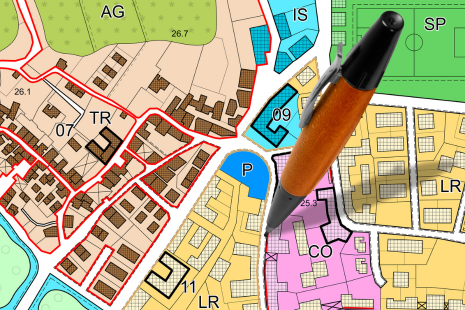 Before committing to an ADU project, check your city’s zoning laws and any HOA restrictions that may apply.
Many municipalities now encourage ADUs as a way to address housing shortages, but regulations vary widely. Some cities have strict size limitations, require additional parking, or prohibit short-term rentals. Others may require the homeowner to live on the property in order to rent out the ADU.
If you live in an HOA-governed community, be aware that some HOAs completely prohibit ADUs, while others place heavy restrictions on their size and use. Always check with your local planning department and HOA before moving forward.
Final Thoughts: Is an ADU Worth It?
Adding an ADU can be a great way to increase your home’s value, generate rental income, and provide flexible living space. However, its impact on property value depends on local demand, quality of construction, and how it is appraised.
If you’re considering an ADU, do your homework first. Check local zoning laws, research potential rental income, and consult with real estate professionals to determine if it makes sense for your home and financial goals. While ADUs can be a fantastic investment, they require careful planning to truly pay off.
And when you’re ready here are 4 ways we can help you right now…
1. Read this article - 5 Renovations That Increase Your Home’s Value (and 3 That Don’t)
2. If you’re a first-time homebuyer - get your free guide, 7 Costly Mistakes Home Buyers Make, visit http://costlymistakeshomebuyersmake.com
3. If you’re SELLING your home - get access to our Get Sell Ready guide and checklist. It will show you how to get your home ready for sale without spending a fortune or wasting your nights and weekends updating and remodeling your home. http://getsellready.com
4. Start a Smart Moves Conversation with us… get clarity about what to do next, get your questions answered, your concerns are taken care of, and an action plan customized to your timeline. Schedule a call at http://smartmovescall.com or start a chat at http://m.me/persingergroup

