
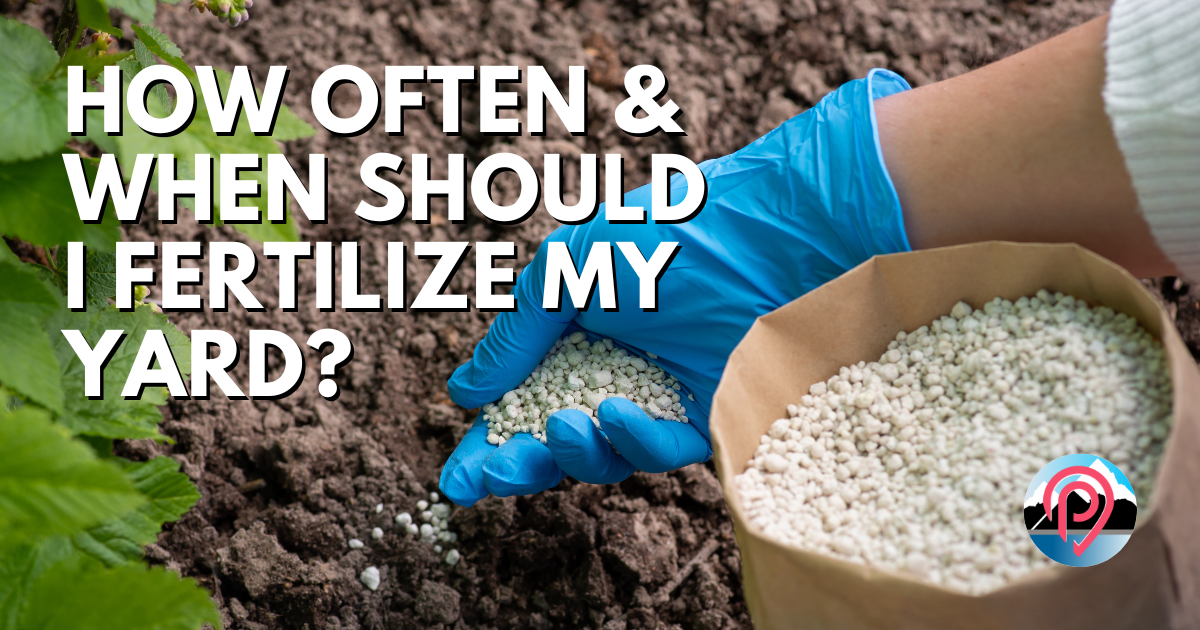
A Neighborly Guide to a Lawn That Turns Heads
BONUS CONTENT: READ HOW LONG SHOULD YOU WATER NEW SOD
You’ve seen it. That one lawn in the neighborhood that just looks better.
Greener. Thicker. Healthier.
It’s not luck, and it’s not just money.
It’s timing.
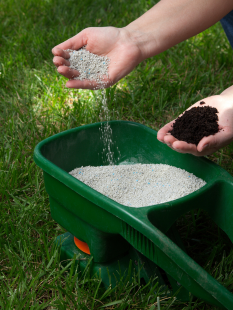 The secret? A simple, consistent fertilizing schedule that matches your lawn’s natural growth cycle.
Most homeowners either underfeed their lawn (causing patchy, weak growth) or overdo it (burning the grass, wasting money, and doing more harm than good). But when you follow the right schedule... and feed your lawn at the right times... it becomes practically effortless to maintain.
That’s why I built this How Often Should I Fertilize My Yard Guide around a straightforward, easy-to-remember system called EMILY:
- Easter
- Memorial Day
- Independence Day
- Labor Day
- Year-End
These five dates align perfectly with the needs of cool-season grasses like Kentucky bluegrass, fescue, and perennial ryegrass. Whether you're aiming to win “Yard of the Month” or just want to stop feeling embarrassed every time you walk to the mailbox, this guide will walk you through everything... fertilizing, mowing, watering, seasonal tweaks, and even common mistakes to avoid.
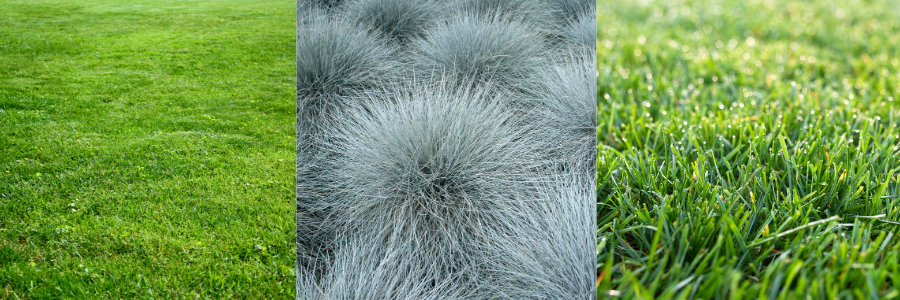
Fertilize your yard 4 to 5 times per year using the EMILY schedule: Easter (early spring), Memorial Day (late spring), Independence Day (mid-summer), Labor Day (early fall), and Year-End (late fall). This keeps cool-season lawns like Kentucky bluegrass, fescue, and rye healthy, green, and thick throughout the year.
🌱 Why Fertilizing Matters
Think of your lawn like an athlete. It needs regular fuel to stay strong, recover from stress, and outcompete weeds. Fertilizer provides the nitrogen, phosphorus, and potassium your lawn depends on to:
- Stimulate root development
- Improve color and density
- Resist drought, disease, and pests
- Recover from foot traffic and mowing stress
- Without fertilizer, even the best-mowed lawn will struggle to thrive.
📆 The EMILY Fertilizing Schedule (Fully Explained)
 The EMILY schedule isn’t just easy to remember... it’s biologically aligned with how cool-season grasses grow. Rather than blindly applying fertilizer every X weeks, this approach works with your lawn’s natural rhythms. Early spring and fall are growth surges, while summer is a survival period. Feeding your lawn at the wrong time can stress it or waste product. This is why EMILY works. Let’s look at each feeding point more closely:
What Does NPK mean? Understanding the Numbers on the Bag
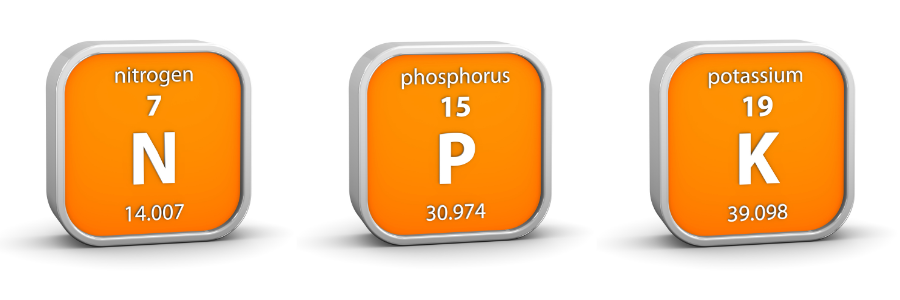
Every bag of fertilizer features three bold numbers... something like 20-20-10 or 32-0-4. These represent the N-P-K ratio: Nitrogen (N), Phosphorus (P), and Potassium (K). Each of these nutrients serves a distinct role in lawn health.
- Nitrogen is the most important for your grass’s lush green color and leafy growth. It helps push top growth and enhances the lawn's overall density.
- Phosphorus supports strong root development, especially important when seeding or repairing damaged areas.
- Potassium helps build resilience. It strengthens cell walls, making your lawn more tolerant of drought, disease, and temperature swings.
Choosing the right N-P-K ratio depends on what your lawn needs in that season. For example, early spring or fall applications often lean on nitrogen to support growth, while a winterizer focuses more on potassium to help the lawn survive the cold months ahead.
EMILY Fertilizer Schedule
🌸 Easter (March–April)
Goal: Wake up roots and promote early green-up.
Product: Balanced fertilizer (20-20-10) or a light nitrogen mix
Prep: Rake winter debris. Mow once before applying.
Tips:
- Avoid early applications if the soil is still cold.
- Don’t go heavy... light and slow wins here.
- You might not even need any Nitrogen fertilizer right now
- A good weed and feed could do the trick
🇺🇸 Memorial Day (May)
Goal: Support growth and fight off weeds.
Product: Slow-release nitrogen with a bit of N in it
Tips:
- Time it right after mowing.
- Combine with spot weeding.
- Water in deeply (at least ½ inch).
🎆 Independence Day (July)
Goal: Maintain lawn health through heat stress.
Product: Light feeding with micronutrients and iron
Tips:
- Skip if daytime temps are regularly above 85°F.
- Apply in the morning or evening to avoid scorching.
- Use liquids sparingly here.
🍂 Labor Day (September)
Goal: Build strong roots and recover from summer damage.
Product: High-nitrogen fertilizer (30-0-10)
Tips:
- Aerate first, then apply.
- Overseed immediately after.
- Keep mowing high (3–4") to support new growth.
🎉 Year-End (November)
Goal: Store nutrients for winter survival and early spring green-up.
Product: Winterizer high in potassium (10-0-20 or 8-0-24)
Tips:
- Apply after final mow.
- Don’t wait too long...ground shouldn’t be frozen.
🔁 Monthly Lawn Care Calendar
| Month | Action Steps |
|---|---|
| March | Rake debris, check soil temp, edge lawn borders |
| April | Easter feed, first mow, dethatch if needed |
| May | Memorial Day feed, soil test, overseed bare patches |
| June | Deep watering, mow regularly, prep for July heat |
| July | Light feeding, raise mower deck, monitor heat stress |
| August | Aeration prep, spot weed treatment |
| September | Labor Day feed, aerate, overseed |
| October | Sharpen mower, clean tools, light raking |
| November | Year-End feed, final mow, winterize hoses & tools |
| December–Feb | Rest. Dream of next spring’s lawn glory. |
✂️ Mowing Rules for a Better Lawn
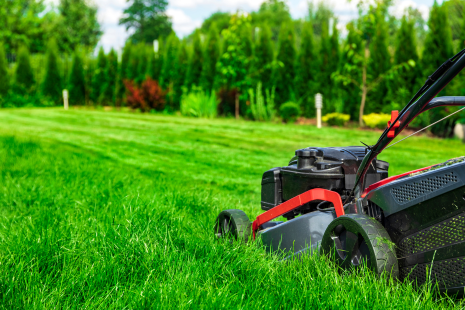 Mowing may seem like the simplest part of lawn care, but it's also one of the most misunderstood. Cutting too short, mowing too infrequently, or using dull blades can sabotage all your other efforts... no matter how perfect your fertilization schedule is.
The 1/3 Rule is non-negotiable: never remove more than a third of the blade height at once. For cool-season grasses, that means mowing at a height of 3–4 inches and adjusting based on the time of year. During hot months, raising your mower deck can help the grass retain moisture and prevent heat stress.
Dull blades do more than just make your lawn look ragged. They tear the grass, leaving it vulnerable to disease and discoloration. Make it a habit to sharpen blades every 20–25 hours of mowing or at least once per season. A clean cut is healthier and gives your lawn that professional, uniform appearance.
- 1/3 Rule: Never cut more than one-third of the blade at once.
- Cool-season grasses: 3"–4" height is optimal.
- Sharp blades: Prevent brown tips and stress damage.
Sharpen blades every 20–25 hours of use or at least once per season. Dull blades tear grass rather than cut it, creating a yellow, ragged look.
💧 Watering Your Lawn Like a Pro
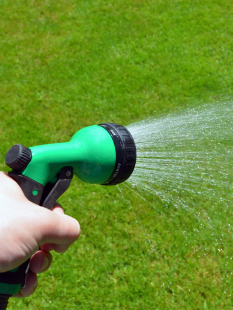 Watering is where even the most attentive homeowners slip up. Either they overdo it and drown the roots, or they underdo it and let stress take over. The key isn’t frequency... it’s depth. Lawns respond better to deep, infrequent watering that mimics natural rainfall. Instead of short daily sprinkles, focus on watering a couple of times per week with enough volume to reach deep into the soil. This encourages roots to grow downward, which strengthens the lawn’s drought resistance.
One of the most important factors is when you water. The best time is early morning—ideally between 5 and 9 AM. Watering in the morning allows time for moisture to soak in before the heat of the day causes evaporation. It also gives the lawn a chance to dry out before nightfall, reducing the risk of fungal growth. Watering during the heat of the day results in much of the water evaporating before it reaches the roots, which wastes both time and money. And watering in the evening may leave your grass damp overnight, creating a perfect environment for diseases like dollar spot or brown patch
- Goal: 1 to 1.5 inches of water per week
- Best Time: Early morning (5–9 AM)
- Frequency: 2–3x per week, deeply
Use a tuna can or rain gauge to track how much water your lawn is getting.
Avoid shallow daily watering... it creates weak roots that can’t handle drought.
🧰 Must-Have Lawn Tools For A Green Yard
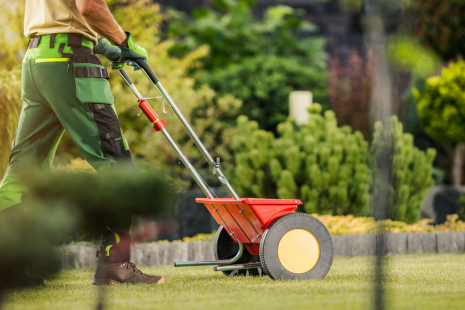
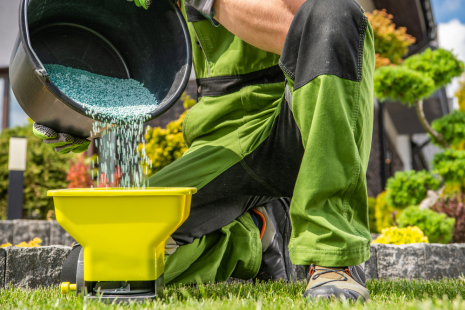
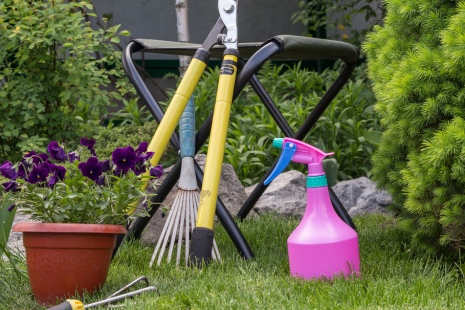 Having the right tools doesn’t just make lawn care easier; it also makes it more effective. A good spreader ensures even application of fertilizer, reducing the risk of patches or burns. Whether you prefer a broadcast or drop spreader depends on your yard size and personal comfort.
You’ll also want a hose-end sprayer for liquid treatments, especially if you're using micronutrients or doing quick touch-ups during summer. And let’s not forget sharp mower blades, a quality rake, and a reliable rain gauge.
Lastly, consider keeping a lawn journal or using an app to track what you applied and when. Lawn care success often comes down to consistent observation and timing, and a log can help you make smart decisions year over year.
- Broadcast spreader (for granular)
- Hose-end sprayer (for liquid feeds)
- Soil test kit (spring or fall)
- Sharp mower blades
- Leaf rake / dethatcher
- Lawn journal or app for tracking treatments
⚠️ Most Common Lawn Mistakes
 Even with the best intentions, it’s easy to go off track. Lawn care mistakes often come from trying to do too much, too fast... or copying what works for someone else without understanding your yard's unique needs.
Overfertilizing is a classic example. People assume more product means more growth, but it usually leads to nutrient overload and burned grass. Fertilizing during high summer heat can do more harm than good, especially when the lawn is already stressed. Skipping your fall feed? That’s a missed opportunity to build deep roots that support next year’s growth.
Blunt mower blades are another overlooked issue. It’s a small task with big consequences. And finally, if you apply fertilizer and don’t water it in properly, it won’t activate... and that’s money and effort down the drain.
Avoid these pitfalls, and you’ll be far ahead of most homeowners trying to figure it out on the fly.
- Overfertilizing – More isn’t better. It’s burn waiting to happen.
- Fertilizing in heat – Especially mid-summer. Wait for cooler temps.
- Skipping fall feed – Labor Day is your biggest growth window.
- Neglecting mower blade sharpening – It ruins otherwise healthy grass.
- Underwatering after application – Fertilizer needs water to activate.
🧪 Troubleshooting: What’s Wrong with My Lawn?
| Problem | Cause | Fix |
|---|---|---|
| Yellowing | Nitrogen deficiency or dull blades | Feed and sharpen |
| Patches | Uneven fertilizer or compact soil | Reapply + aerate |
| Burned spots | Overfertilization | Flush with water, reseed |
| Weeds taking over | Missed spring pre-emergent | Add weed control, overseed |
| Mushrooms | Overwatering or thick thatch | Reduce moisture, dethatch |
💬 Fertilizer FAQs
Can I fertilize and seed at the same time?
Yes—especially in the fall. This is when your lawn is naturally growing roots and preparing for the next season. Use a starter fertilizer that contains phosphorus (the middle number on the bag), which is essential for new root development. Just be cautious not to use weed-and-feed products during this time, as they can harm new grass seed.
Do I need to water in fertilizer?
Absolutely. Most fertilizers need moisture to activate and start releasing nutrients. If you’re using granular fertilizer, watering it in helps it dissolve and penetrate the soil where roots can absorb it. Skipping this step often leads to uneven results and wasted product. Check your label—some products even require a specific amount of water for full activation.
Can I apply fertilizer before rain?
Yes, but be strategic. A light to moderate rain can actually help by watering in the fertilizer for you. But if a heavy storm is in the forecast, hold off. Too much rain can wash away fertilizer before it has a chance to work, which means lost nutrients—and wasted money.
What’s the best fertilizer for a beginner?
A balanced granular product like 20-20-10. Or a 16-4-8. Easy to apply and forgiving. It’s straightforward to apply, forgiving if you miss a little, and suitable for most lawns. Look for a slow-release formulation if you want longer-lasting results with less risk of burning.
Is organic better?
It depends. Organics are slower and gentler and build better long-term soil health. Organic fertilizers like Milorganite or Espoma feed your lawn more gently and improve soil health over time. They’re great for long-term sustainability but may not deliver instant results like synthetic fertilizers do. For beginners who want an easier start, a synthetic blend might offer quicker feedback, while organics are ideal if you're playing the long game.
🧠 5 Fertilizer Myths (Debunked)
- “More applications = better lawn.” Nope. Stick to the 4–5 EMILY schedule.
- “I don’t need to fertilize in fall.” Wrong. Fall is peak root-building season.
- “Liquid is always better.” Not for beginners. Granular is easier and safer.
- “It’s too late if I missed spring.” Never too late to start. Begin now.
- “I need a pro to get great results.” Not true. With this guide, you’ve got it.
🧭 Your Ultimate DIY Lawn Plan
- Follow the EMILY schedule without skipping.
- Track your applications in a notebook or app.
- Mow high and sharp... it protects root health.
- Water deeply, not frequently.
- Spot-treat weeds and overseed where needed.
- Don’t panic. Lawns recover. Stay consistent.
✅ Final Thoughts: Fertilize with Intention
You don’t need to be obsessed with your lawn to have one that’s lush, vibrant, and admired by your neighbors. What you do need is consistency. Lawn care isn’t about hacks or heroics... it’s about respecting the natural cycles and responding accordingly. EMILY gives you a framework that takes out the guesswork and builds confidence.
 The truth is, once you get into the rhythm of proper fertilization, mowing, and watering, lawn care stops feeling like a chore. It becomes a satisfying part of your weekly routine... something that reflects pride in your home and enjoyment of the outdoors.
If you're ever feeling unsure or stuck, don’t overthink it. Follow the EMILY schedule. Make small adjustments. Observe how your grass responds. That’s how you’ll learn. That’s how you’ll grow... right alongside your lawn.
A good lawn isn’t about spending more... it’s about doing the right things at the right time. With the EMILY system, you don’t have to overthink it. You don’t need guesswork. You’ve got a clear roadmap to the greenest lawn on your block.
Fertilize with purpose. Mow with care. Water wisely. And next spring, when you step onto your soft, green lawn? You’ll know it was all worth it.
If you ever need help, advice, or encouragement, just know I’m a lawn-loving neighbor away.
And when you’re ready here are 4 ways we can help you right now…
1. Read this article - How Long Should I Water New Sod For?
2. If you’re a first-time homebuyer - get your free guide, 7 Costly Mistakes Home Buyers Make, visit http://costlymistakeshomebuyersmake.com
3. If you’re SELLING your home - get access to our Get Sell Ready guide and checklist. It will show you how to get your home ready for sale without spending a fortune or wasting your nights and weekends updating and remodeling your home. http://getsellready.com
4. Start a Smart Moves Conversation with us… get clarity about what to do next, get your questions answered, your concerns are taken care of, and an action plan customized to your timeline. Schedule a call at http://smartmovescall.com or start a chat at http://m.me/persingergroup

